
Things to Do on Isle of Man for Nature Lovers: Your Complete Guide
Nestled in the heart of the Irish Sea, the Isle of Man is a haven for nature enthusiasts. Its diverse ecosystems range from rugged coastlines and serene wetlands to lush glens and rolling hills.
Key Takeaways
- The Isle of Man offers year-round nature experiences, with each season bringing unique wildlife viewing opportunities.
- The island is home to several protected areas, including The Ayres National Nature Reserve and Ballaugh Curraghs.
- Unique wildlife spotting opportunities include Manx Loaghtan sheep and a surprising population of wild wallabies.
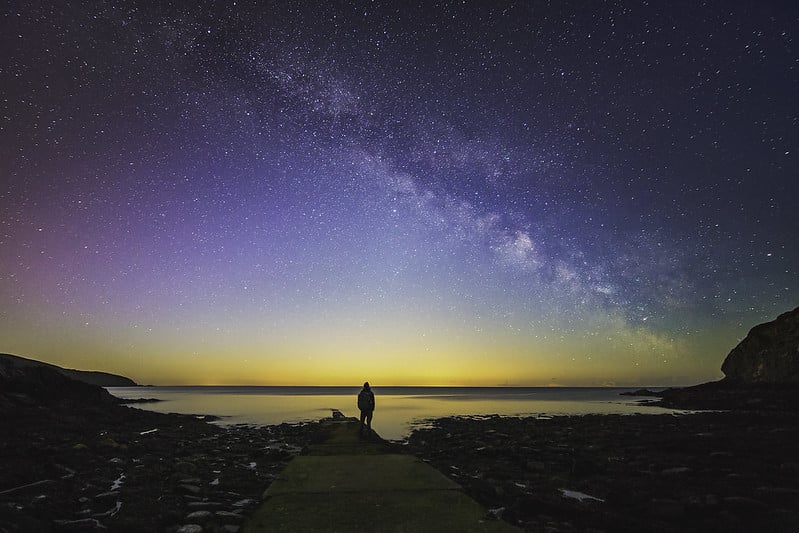
- The Isle of Man is a UNESCO designated Dark Sky site, offering exceptional stargazing opportunities.
- Marine wildlife watching is possible from various coastal locations, with peak seasons for different species.
The Ayres National Nature Reserve
Located on the northern tip of the island, the Ayres National Nature Reserve is a coastal gem, boasting a mosaic of sand dunes, shingle beaches, and heathlands. It’s particularly renowned for its rare plant species and serves as a vital nesting ground for various seabirds.
The Nature Discovery Centre, managed by Manx Wildlife Trust volunteers, is nestled within the sand dunes, an 8-kilometre stretch extending from Cronk-y-Bing to the Point of Ayre. From the shingle beach, three marked trails lead through the marram grass dunes and onto the vast heathland. A wooden viewing platform provides an elevated vantage point along the coastline, offering the chance to observe seabirds such as diving gannets, and with a bit of luck, even a seal.
The site and trails are open 24/7, year-round, and free to visit, with free parking at the main car park.
Ballaugh Curraghs Wetlands and Wildlife Park
The Ballaugh Curraghs, located in the northwest, is a remarkable wetland area teeming with biodiversity, shaped by retreating glaciers. The Curraghs serve as an important habitat for wildlife, including the second-largest roost of hen harriers in Europe, along with peregrine falcons, merlins, and a distinctive subspecies of wren that may be unique to the island.
One of the most fascinating inhabitants of the area is the population of wild red-necked wallabies — the largest in the British Isles, descendants of escapees from a nearby wildlife park in the 1960s. Recent surveys estimate that nearly 600 wild wallabies now roam the island.
For those looking for a more interactive experience, the Curraghs Wildlife Park offers a chance to observe over 100 animal species from around the world, including penguins, meerkats, monkeys, and wallabies, plus a miniature railway and play area for younger visitors.
Marine Life Spotting
The surrounding waters of the Isle of Man are teeming with marine life. Along the coast, particularly around the Calf of Man and Peel, visitors can often spot grey seals lounging on rocks or playfully swimming. During the warmer months, the island’s waters become a feeding ground for basking sharks, and dolphins are frequently seen frolicking in the waves, especially during boat trips.
Native Manx Wildlife
The Manx Loaghtan sheep, with their distinctive multiple horns and dark fleece, are a native breed integral to the island’s agricultural heritage, seen grazing on the island’s hills and open spaces.
Glen Walks and Waterfalls
The Isle of Man boasts numerous glens — narrow valleys rich in native woodland and cascading streams. Glen Maye, near Peel, features a picturesque waterfall surrounded by fern-covered pathways. Dhoon Glen offers one of the island’s highest waterfalls amidst steep, wooded trails.
Dark Sky Experiences
The Isle of Man is recognised for its pristine night skies, free from light pollution, making it ideal for stargazing. Designated Dark Sky sites include locations like Smeale and the Ballaugh Curraghs. Occasionally, the Northern Lights make a mesmerising appearance, painting the sky with vibrant hues.
Seasonal Nature Highlights
In spring, wildflowers carpet the glens, and migratory birds return. Summer offers the best opportunities for marine life spotting. Autumn paints the woodlands in rich hues. Winter provides the chance to witness large gatherings of overwintering birds and, on clear nights, the possibility of Northern Lights displays.
Conservation Efforts and Sustainable Tourism
The Isle of Man is committed to preserving its natural heritage. Various organisations work tirelessly to protect habitats and species, promoting sustainable tourism practices. Visitors are encouraged to respect wildlife, stick to designated paths, and minimise waste.
Best Spots for Nature Photography
- Coastal views: Peel Hill, The Sound
- Forests and glens: Ballaglass Glen, Glen Helen
- Wildlife shots: Ballaugh Curraghs, Point of Ayre
- Stargazing shots: Snaefell, Niarbyl
Practical Tips & Conclusion
- Best time to visit: year-round, but each season offers something unique.
- Getting around: car rental recommended, bus services available.
- What to bring: sturdy footwear, weatherproof clothing, camera.
- Where to stay: consider eco-friendly holiday cottages for a comfortable and sustainable visit.
The Isle of Man is an unspoiled natural paradise waiting to be explored. Whether you’re seeking a tranquil retreat or an adventure-packed getaway, the island’s landscapes and wildlife provide endless opportunities for discovery.
Frequently Asked Questions
Q: When is the best time to visit for wildlife spotting? A: Spring and summer are best for birds and marine life, while winter is great for seals and stargazing.
Q: Are there any guided wildlife tours? A: Yes, tours are available through the Manx Wildlife Trust and Manx Whale and Dolphin Watch.
Q: Is the Isle of Man accessible for visitors with mobility challenges? A: Some nature reserves have accessible trails, but some glens and coastal areas may be difficult to navigate.
Q: What should I pack for a nature-focused trip? A: Comfortable walking shoes, waterproof clothing, binoculars, and a camera.
Q: Can I see the Northern Lights on the Isle of Man? A: Yes, the Northern Lights are occasionally visible in winter from dark sky sites like Niarbyl and The Sound.