Vikings of the Isle of Man: Britain’s Living Viking Heritage
Introduction: The Vikings in Britain and Beyond
When people think of Vikings in Britain, places like York, the Orkneys, or Dublin often come to mind. Yet, in the heart of the Irish Sea lies a small island with a Viking legacy unlike any other — the Isle of Man.
This rugged and captivating island is more than a site of archaeological discovery. It is a living link to the Viking Age. The Manx parliament, known as Tynwald, traces its roots directly back to Norse settlers, making it one of the oldest continuous parliaments in the world.
From Viking long boats and burial mounds to rune stones and reconstructed halls, the Isle of Man offers an authentic and immersive glimpse into the Norse world — a place where Vikings in Britain are remembered not just in artefacts, but in everyday life.
The Isle of Man: At the Crossroads of Viking Britain and Ireland
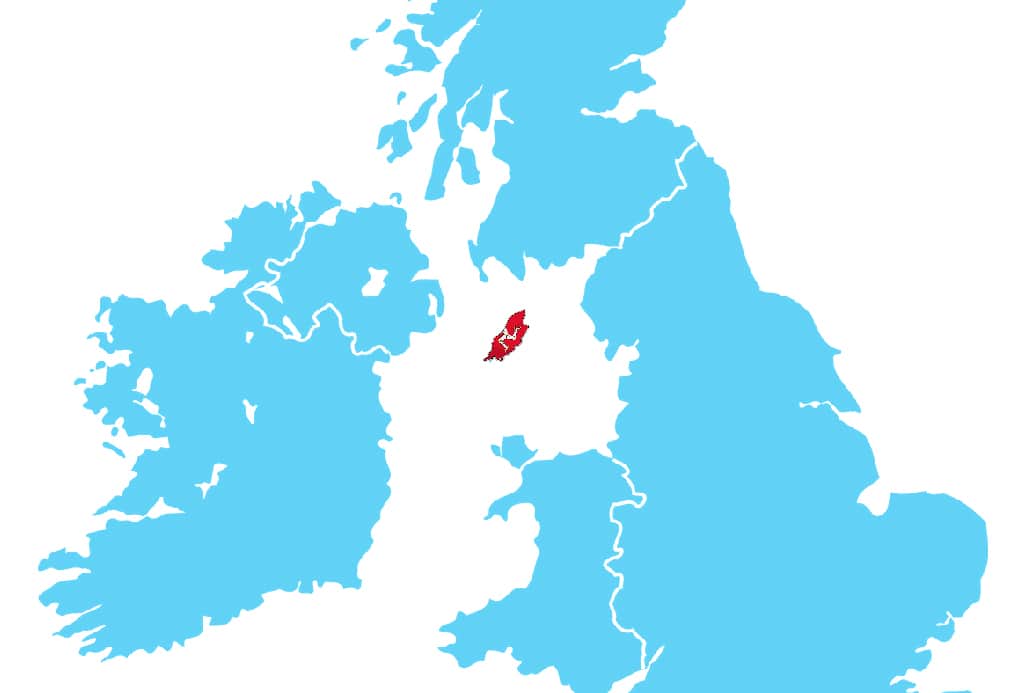
The Isle of Man’s position between Britain and Ireland made it a key maritime hub during the Viking Age. When Norse settlers arrived in the 9th century, they quickly recognised its strategic importance for trade and control of the Irish Sea routes.
The island became part of the Kingdom of the Isles, ruled by Norse-Gaelic kings whose influence extended from the Hebrides to Dublin. This blending of Norse and Celtic culture created a unique Manx identity — evident in local art, place names, and language.
Today, that fusion still defines the island’s character, a rare example of cultural continuity in the story of Vikings in Britain.
Tynwald: The World’s Oldest Functioning Viking Parliament
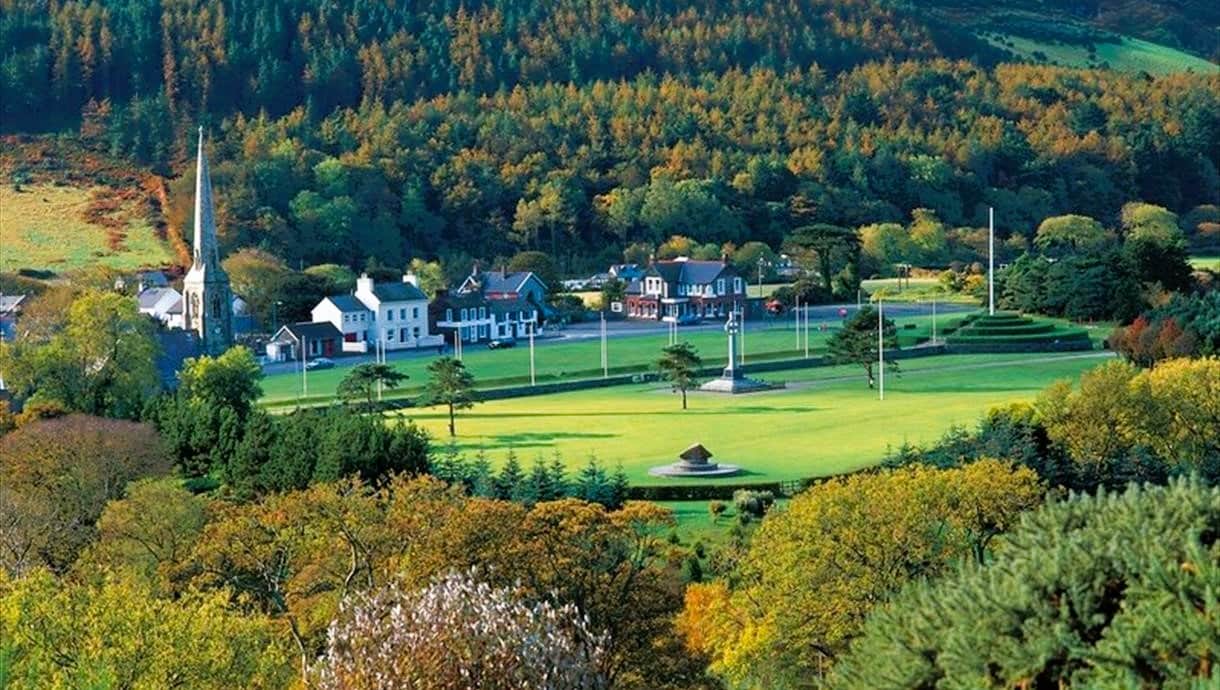
Few institutions in the world can claim such deep Viking roots as Tynwald. The word comes from the Old Norse “Þingvǫllr” — “assembly field” — referring to the open gatherings where Viking communities met to make laws and settle disputes.
Founded over a thousand years ago by Norse settlers, Tynwald has functioned continuously ever since. Each year on Tynwald Day, the island gathers at St John’s for a ceremonial open-air sitting. Laws are read aloud in both English and Manx, echoing the oral traditions of the Viking thing assemblies.
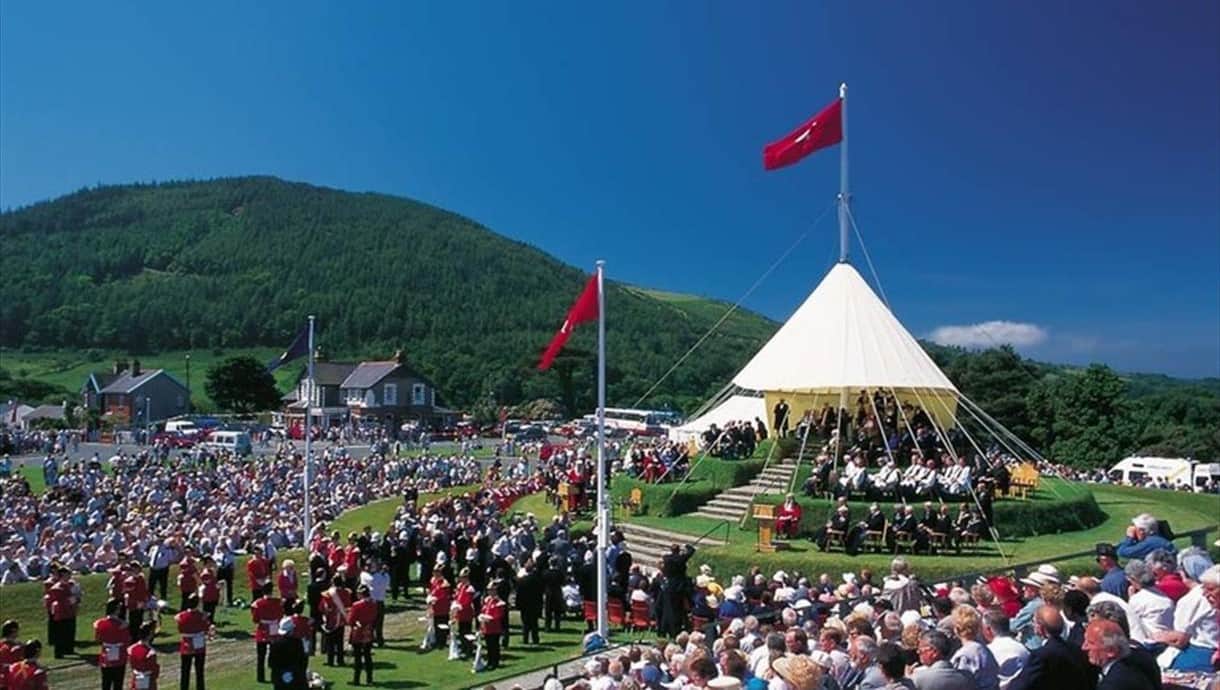
This living parliament stands shoulder to shoulder with Iceland’s Althing and Norway’s Gulating as one of the oldest legislative systems on earth — yet it remains an active part of modern Manx democracy.
Viking Archaeology and Monuments on the Isle of Man
The Isle of Man’s landscape is a rich tapestry of Viking archaeology. Excavations have uncovered ship burials, runestones, and artefacts that reveal the island’s Norse life and beliefs.
At Balladoole, archaeologists found the grave of a Viking chieftain buried with his weapons and the remains of a ship — a striking symbol of the Viking belief in voyaging to the afterlife. Other sites, such as Cronk ny Merriu, have yielded similar treasures, offering glimpses into early seafaring communities.
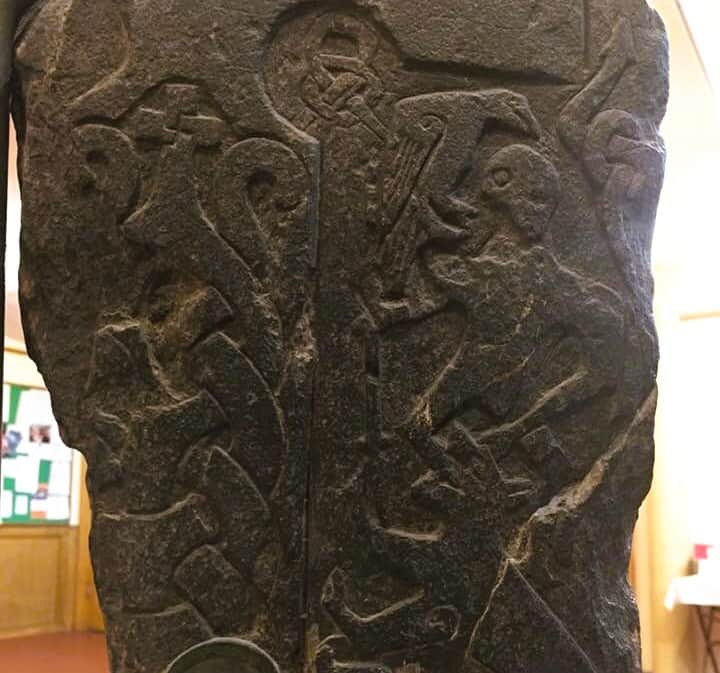
The Manx Crosses, scattered across churchyards at Maughold, Kirk Andreas, and Braddan, display intricate carvings that blend Christian and Norse motifs. On these stones, Odin, Sigurd the dragon-slayer, and serpentine beasts intertwine with crosses and angels — a visual reflection of cultural fusion.
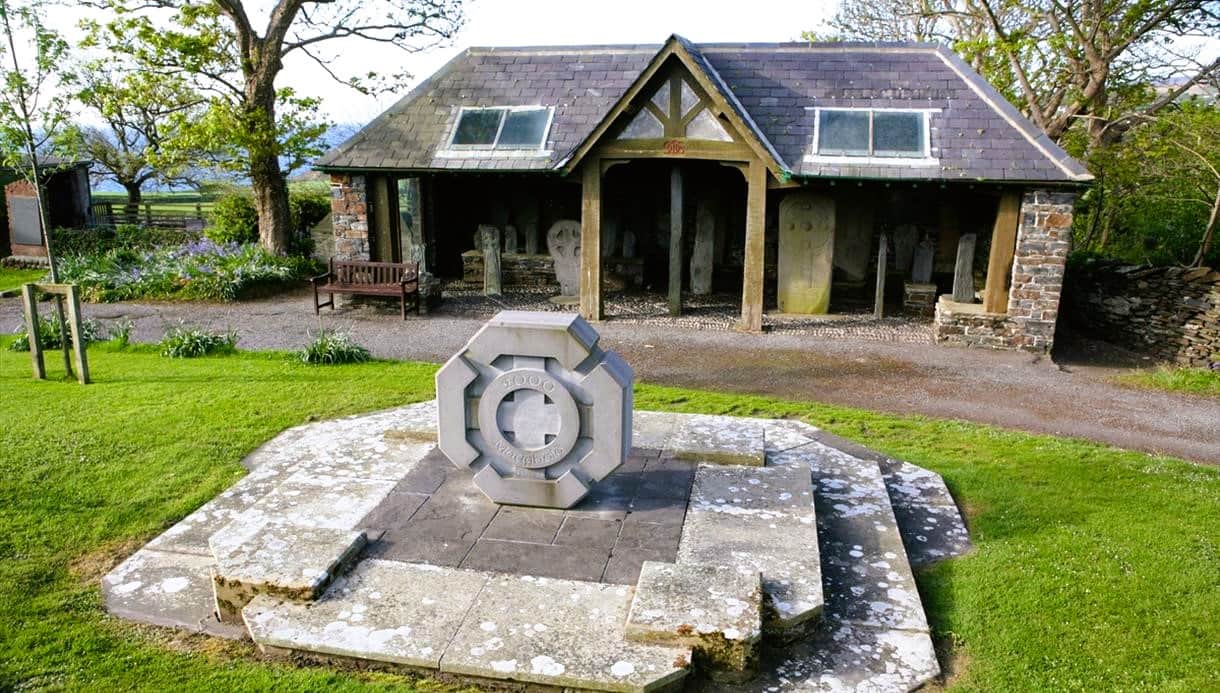
Runic inscriptions carved into several stones preserve ancient messages and names, connecting us directly with the voices of people who lived here over a millennium ago.
Exploring Viking Heritage Through Museums, Castles, and Living History
The Isle of Man is an open-air museum of Viking history, but its museums and heritage centres make the experience even more vivid.
The Manx Museum (Douglas)
The Manx Museum offers a superb introduction to the island’s Viking past. Its Viking Gallery showcases weapons, tools, and artefacts alongside reconstructions that bring everyday Norse life to life. It’s the perfect starting point for understanding how the Vikings in Britain shaped Manx society.
The House of Manannan (Peel)
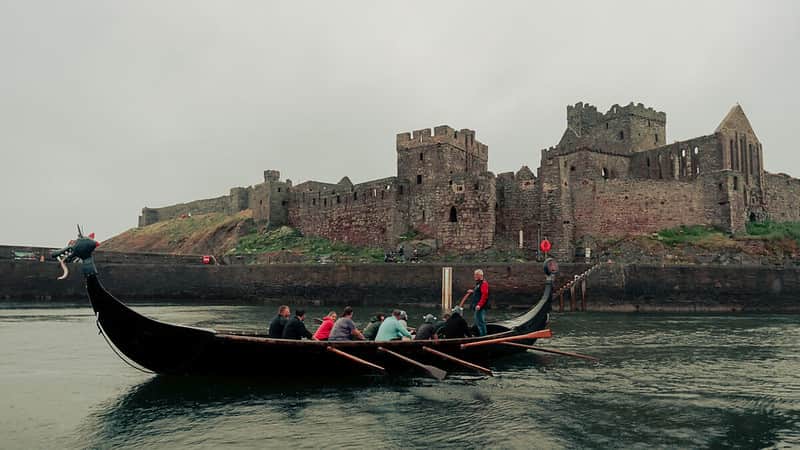
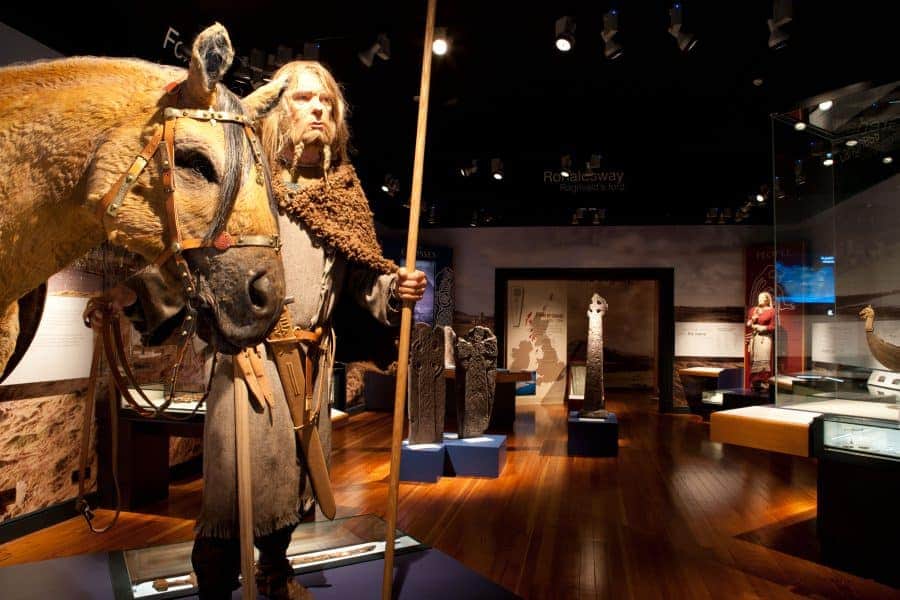
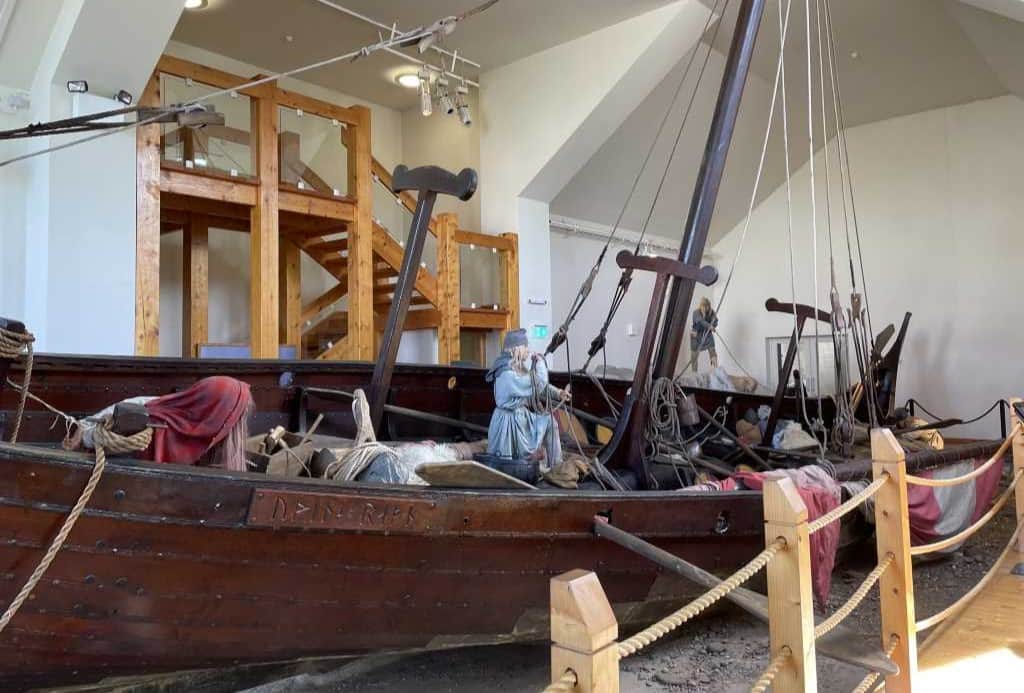
Named after the sea god Manannan mac Lir, this award-winning museum immerses visitors in myth and history. Interactive exhibits explore Viking seafaring, religion, and trade, complete with reconstructed Viking long boats and houses. The House of Manannan beautifully connects the island’s Celtic and Norse heritage.
Peel Castle
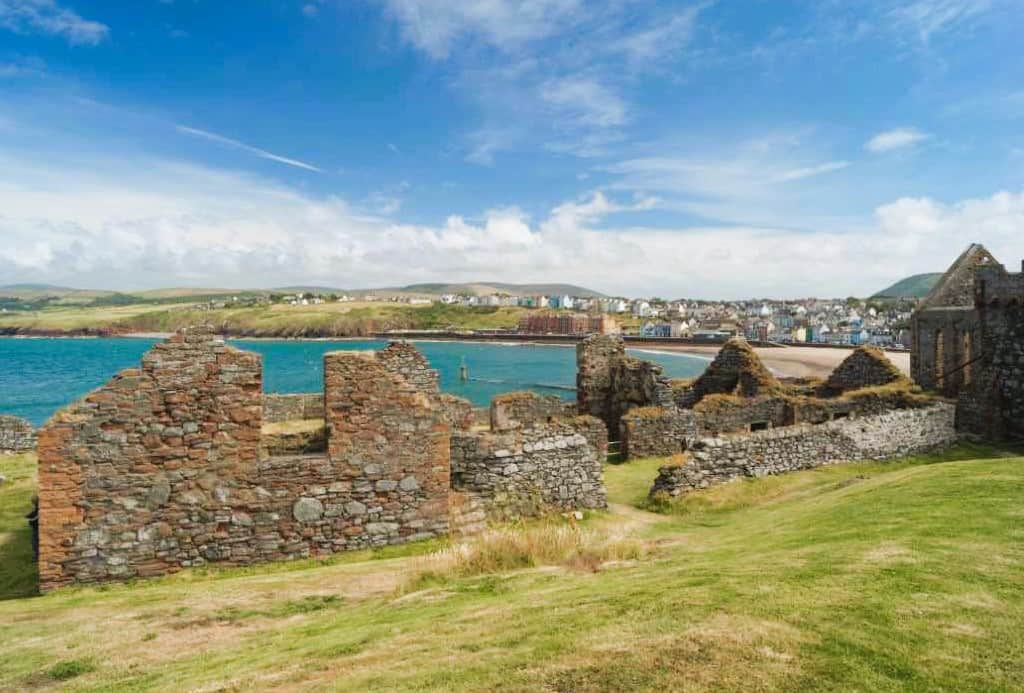
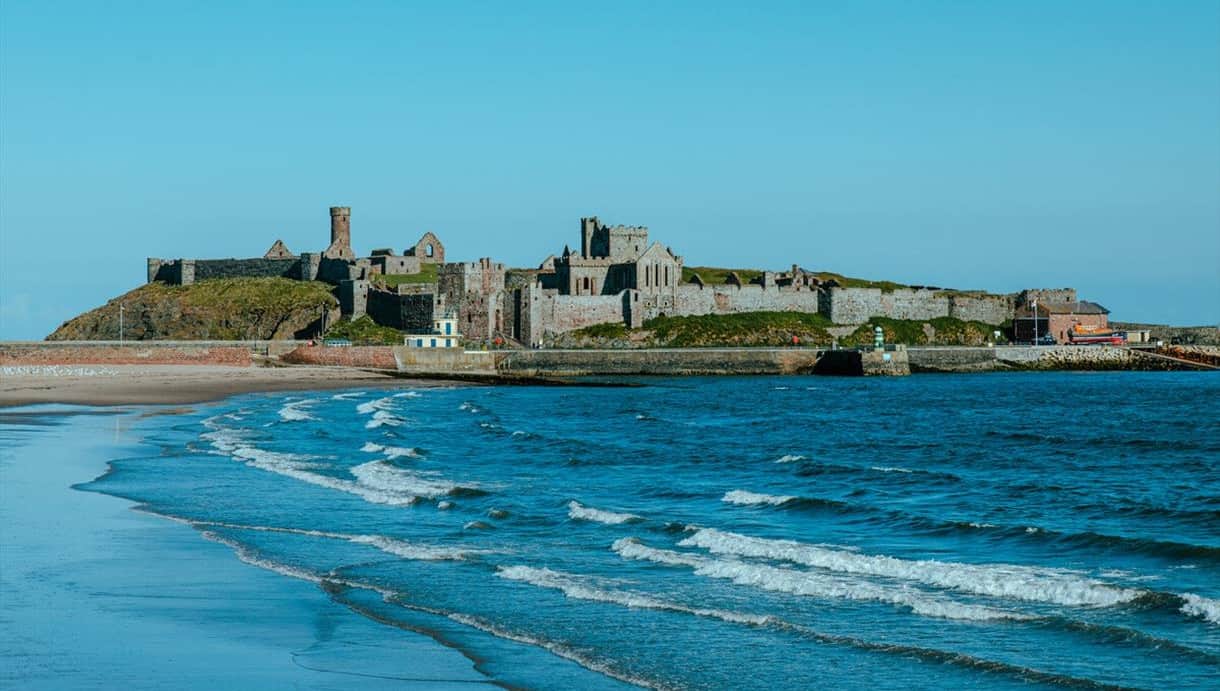
Overlooking Peel Harbour, Peel Castle began as a Viking fortress on St Patrick’s Isle. Later fortified in medieval times, it still carries the essence of its Norse origins. Excavations have revealed runic inscriptions, Norse graves, and artefacts that shed light on Viking life at sea and on land.
Beyond these major sites, local heritage centres across the island host Viking festivals, reenactments, and craft workshops. Visitors can watch smiths at work, see replicas of Viking long boats, or try traditional skills — a rare chance to experience the craftsmanship and courage of the Norse world.
Norse Mythology, Art, and Language: The Cultural Echoes of the Vikings
The Viking impact on Manx culture extends well beyond artefacts. It lives in art, folklore, and even the island’s language.
Many Manx place names — such as Laxey (“salmon river”) — come from Old Norse. Norse words also survive in Manx vocabulary, especially those linked to the sea and farming.
The Manx Crosses reveal a dialogue between pagan and Christian imagery, where Odin and Christ share the same stone. This coexistence speaks volumes about a society that bridged old gods and new beliefs.
Today, local artists, musicians, and storytellers continue to draw inspiration from this heritage. The Viking legacy is not only remembered on the Isle of Man — it is still being re-imagined through creative expression and cultural pride.
Visiting the Isle of Man: A Modern Journey into the Viking Past
Exploring the Isle of Man is like stepping into a living history book.
A perfect Viking-themed itinerary might begin at Tynwald Hill in St John’s, where ancient law-making still takes place. From there, travel west to Peel Castle and the House of Manannan for an immersive dive into Norse life. In Douglas, the Manx Museum deepens your understanding of Vikings in Britain, while the churchyard crosses at Maughold and Kirk Andreas showcase the artistry of the Norse stonemasons.
The island’s windswept cliffs and tranquil bays evoke the era of Viking exploration — it’s easy to imagine Viking long boats drawn up on the beaches after a sea voyage. Heritage trails and guided tours make it simple to explore archaeological sites, while local festivals bring the Viking spirit roaring back to life each summer.
Sustainable tourism plays a big part in the island’s preservation efforts, ensuring that these sites remain protected for generations to come.
Conclusion: The Isle of Man – Where Viking Legacy Lives On
The Isle of Man is unlike any other Viking site in Britain. Here, Norse influence is not confined to the past; it continues to shape the island’s culture, law, and identity.
The ancient Tynwald parliament still gathers as it did a thousand years ago. Peel Castle and the House of Manannan stand as proud reminders of Norse craftsmanship and faith. The Viking long boats may now rest beneath the earth, but their spirit sails on in Manx tradition and pride.
For travellers and history lovers alike, the Isle of Man offers something extraordinary — a living bridge to the Viking world. The echoes of that era are everywhere: in stone carvings, in language, and in the steadfast independence of the Manx people.
On this small island in the Irish Sea, the Viking legacy does not merely survive — it thrives.