
Gerald Gardner, Wicca, and the Isle of Man: The Birthplace of Modern Witchcraft
Introduction: Gerald Gardner, Wicca, and the Isle of Man
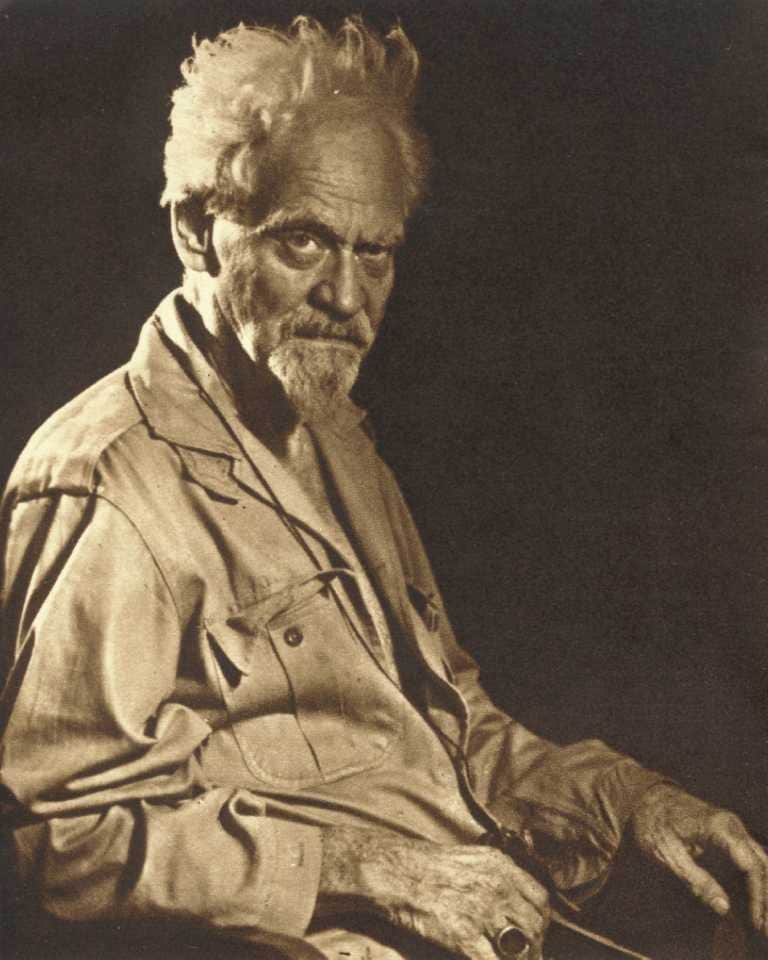
If you’ve ever wondered where modern witchcraft truly began, you inevitably end up standing in the shadow of one man: Gerald Brosseau Gardner. Or, as it’s sometimes mistakenly searched online, “Gerlad Gardner.” But no matter how his name is spelled, his impact remains monumental. Alongside the windswept shores and ancient landscapes of the Isle of Man, Gardner helped shape what we now recognize as modern Wicca.
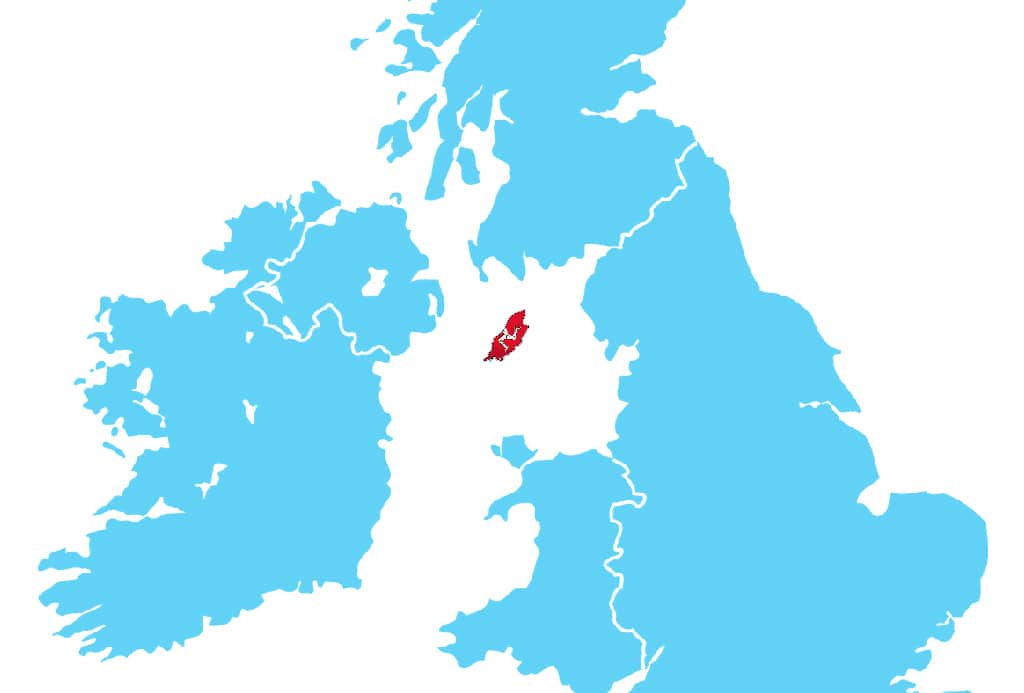
The story isn’t just about a man inventing a religion. It’s about post-war Britain, fading folklore, secretive covens, dusty museums, and a small island in the Irish Sea that became a spiritual epicenter. The Isle of Man wasn’t chosen by accident. Its Celtic roots, folklore-rich traditions, and relative independence from mainland Britain made it fertile ground for Gardner’s vision.
So why does this story matter today?
Because modern Wicca—now practiced by millions across the globe—can trace much of its structure, rituals, and theology back to Gardner’s work during his time on the Isle of Man. The island became more than a residence; it became a laboratory of living magic. It housed the Witches’ Mill, the Museum of Witchcraft, and a revivalist movement that blended ancient traditions with 20th-century innovation.
To understand Wicca, you must understand Gerald Gardner. And to understand Gardner, you must understand the Isle of Man.
Let’s begin at the beginning.
Who Was Gerald Gardner? Early Life and Background
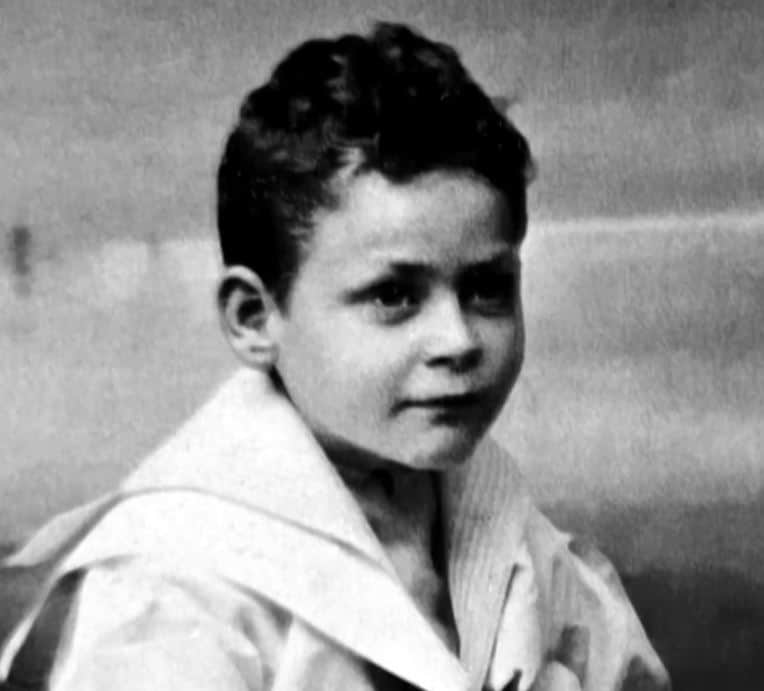
Gerald Brosseau Gardner was born in 1884 in Lancashire, England. His early life was shaped by chronic asthma, which paradoxically opened doors that would later influence his spiritual trajectory. Because of his health, Gardner spent much of his youth traveling to warmer climates. Travel became more than a necessity—it became a gateway into cultural anthropology, folklore, and esoteric traditions.
Unlike many religious founders who claim divine revelation, Gardner approached spirituality like an investigator. He observed. He collected. He compared traditions. His early exposure to colonial Southeast Asia, particularly in Ceylon (Sri Lanka), Malaya, and Borneo, introduced him to indigenous magical systems, ritual practices, and animistic belief structures. These weren’t abstract concepts to him; they were living systems embedded in daily life.
Imagine being a young Englishman at the height of the British Empire, witnessing firsthand how spiritual practice could be woven seamlessly into community, law, healing, and identity. That kind of experience doesn’t leave you unchanged.
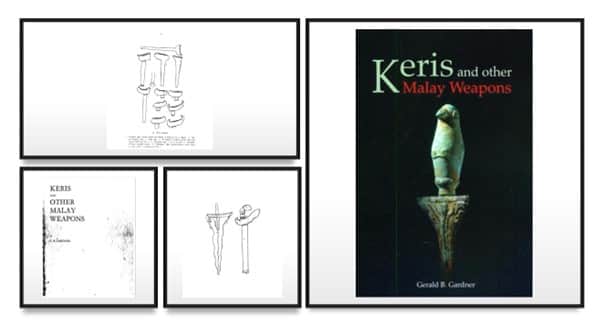
Gardner developed a deep interest in ritual tools, ceremonial objects, and folk magic traditions. Over time, this curiosity evolved into scholarship. He wrote about kris daggers and Malay magical practices. But beneath the academic tone, something more personal was brewing—a fascination with the idea that ancient spiritual traditions could survive modernity.
By the time he returned to England in the 1930s, Europe was on the brink of war. Industrialization had hollowed out many rural traditions. Folklore was becoming something studied rather than practiced. Gardner believed that something sacred was disappearing.
And he didn’t intend to let it vanish quietly.
Gardner’s Time in the East: Influences from Asia
Gardner’s years in the East were not just a footnote in his biography—they were foundational. When you examine the structure of Gardnerian Wicca, you can see echoes of initiatory systems, ritual hierarchy, and ceremonial symbolism that resemble Eastern esoteric traditions.
While working as a civil servant in Malaya, Gardner immersed himself in local customs. He studied keris daggers not merely as weapons but as sacred objects believed to hold spiritual power. This exposure to animism—where objects, places, and even tools are thought to contain spiritual essence—would later appear in Wiccan ritual practice. The athame, the wand, the chalice—these were not random additions. They were symbolic vessels of power.
He also encountered structured initiatory traditions. Many Asian spiritual systems require formal initiation, secrecy, and progression through degrees of knowledge. Sound familiar? Gardnerian Wicca would later adopt a three-degree initiation system remarkably similar in structure.
But Gardner was not simply copying Eastern religions. He was synthesizing. Think of him as a spiritual architect gathering materials from multiple civilizations. When he later claimed to have been initiated into a surviving witch cult in England, he already possessed decades of cross-cultural ritual knowledge.
Critics argue that his Eastern experiences influenced him more than any alleged ancient British coven. Supporters counter that Gardner’s genius was in blending global influences into a distinctly Western, nature-based spiritual path.
Either way, one truth remains clear: without Asia, there would likely be no modern Wicca as we know it today.
Return to England and the Search for Esoteric Truth
When Gardner returned to England in the late 1930s, the world was changing rapidly. War loomed. Industrialization had transformed society. Traditional village life—once steeped in folklore and seasonal rites—was fading into memory.
Gardner found himself drawn to occult circles, Rosicrucian groups, and esoteric societies. This wasn’t unusual for the time. The early 20th century saw a surge of interest in mysticism, ceremonial magic, and spiritual revival movements. But Gardner wasn’t content with armchair occultism. He wanted living tradition.
In 1939, Gardner claimed he was initiated into a surviving witch coven in the New Forest region of England. According to his account, this coven preserved fragments of a pre-Christian pagan religion. Whether this coven existed exactly as he described remains debated. But what matters historically is what followed.
Gardner began reconstructing, expanding, and systematizing what he had learned. Drawing from ceremonial magic, folklore, Freemasonry, Eastern traditions, and poetry, he crafted a coherent spiritual system. This system would soon become known as Wicca.
But Gardner needed a place to practice openly—a place outside the suffocating constraints of England’s Witchcraft Act, which criminalized claims of magical practice.
He found that place on the Isle of Man.
And that decision would change the history of modern paganism forever.
The Birth of Modern Wicca
When the Witchcraft Act of 1735 was repealed in 1951 and replaced with the Fraudulent Mediums Act, something shifted in Britain’s spiritual atmosphere. For Gerald Gardner, this legal change was the green light he had been waiting for. No longer threatened with prosecution simply for claiming magical practice, he could step into the public eye.
And step forward he did.
Gardner didn’t just whisper about witchcraft—he published. His books Witchcraft Today (1954) and The Meaning of Witchcraft (1959) laid the groundwork for what would soon be called Wicca. He described a nature-based religion centered around a Horned God and a Mother Goddess, seasonal festivals known as Sabbats, and lunar rituals called Esbats. He outlined coven structure, ritual nudity (skyclad practice), magical tools, and initiation ceremonies.
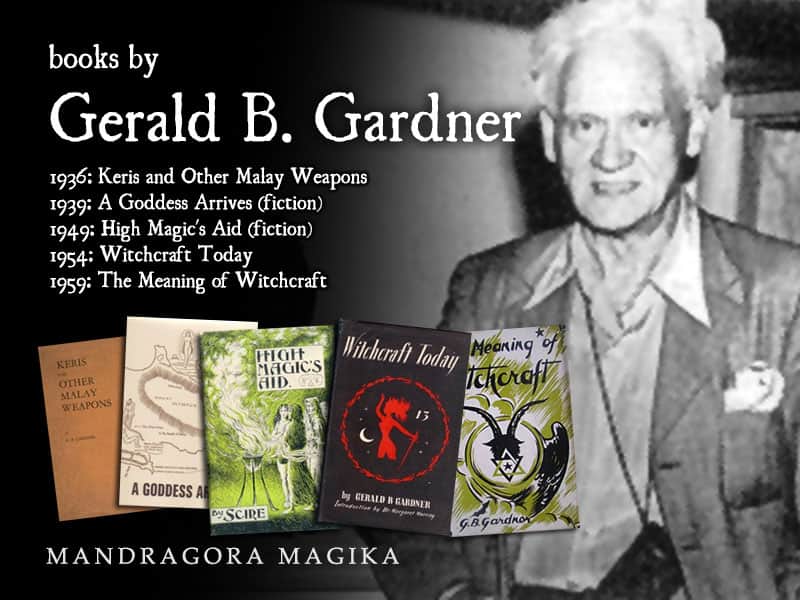
Was it ancient? Gardner insisted it was a survival of pre-Christian pagan religion. Modern historians argue it was a revivalist reconstruction blending folklore, ceremonial magic (especially from Aleister Crowley’s influence), and Gardner’s own creativity. The truth likely lies somewhere in between.
What made Wicca powerful wasn’t just its rituals. It offered something post-war Britain desperately needed: reconnection. Reconnection to nature. To seasonal rhythms. To embodied spirituality. In a world fractured by mechanized war, Wicca felt earthy, intimate, and alive.
Gardner wasn’t creating a fantasy religion. He was crafting a spiritual response to modern alienation. And he chose the Isle of Man as the public stage where this rebirth would unfold.
The Isle of Man: A Mystical Landscape
The Isle of Man is not just a dot in the Irish Sea. It is a place layered with myth, folklore, and Celtic heritage. Long before Gardner arrived, the island carried a reputation for enchantment. Tales of fairies—known locally as the “Little People” or Mooinjer Veggey—were not quaint legends but living beliefs. Even today, locals speak of them with respect.
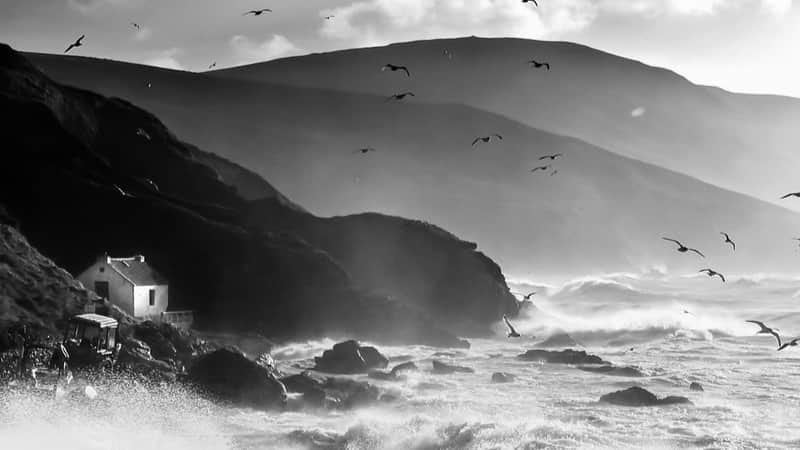
The island’s political autonomy also mattered. The Isle of Man is a self-governing Crown Dependency, meaning it operates outside direct UK parliamentary law. That independence created legal breathing room for Gardner’s controversial work.
Geographically, the island feels liminal—surrounded by sea, often cloaked in mist, marked by ancient stone circles and burial mounds. For a religion rooted in earth, sky, and seasonal cycles, it was symbolically perfect.
Gardner understood the power of place. Religion is rarely born in sterile environments. It grows where land and story intertwine. The Isle of Man offered:
- Celtic mythological depth
- A strong tradition of folklore
- Relative legal freedom
- A sense of mystical isolation
When Gardner relocated there in the 1950s, he wasn’t just moving house. He was planting a flag for modern witchcraft.
And at the center of this movement stood a windmill.
The Witches’ Mill in Castletown
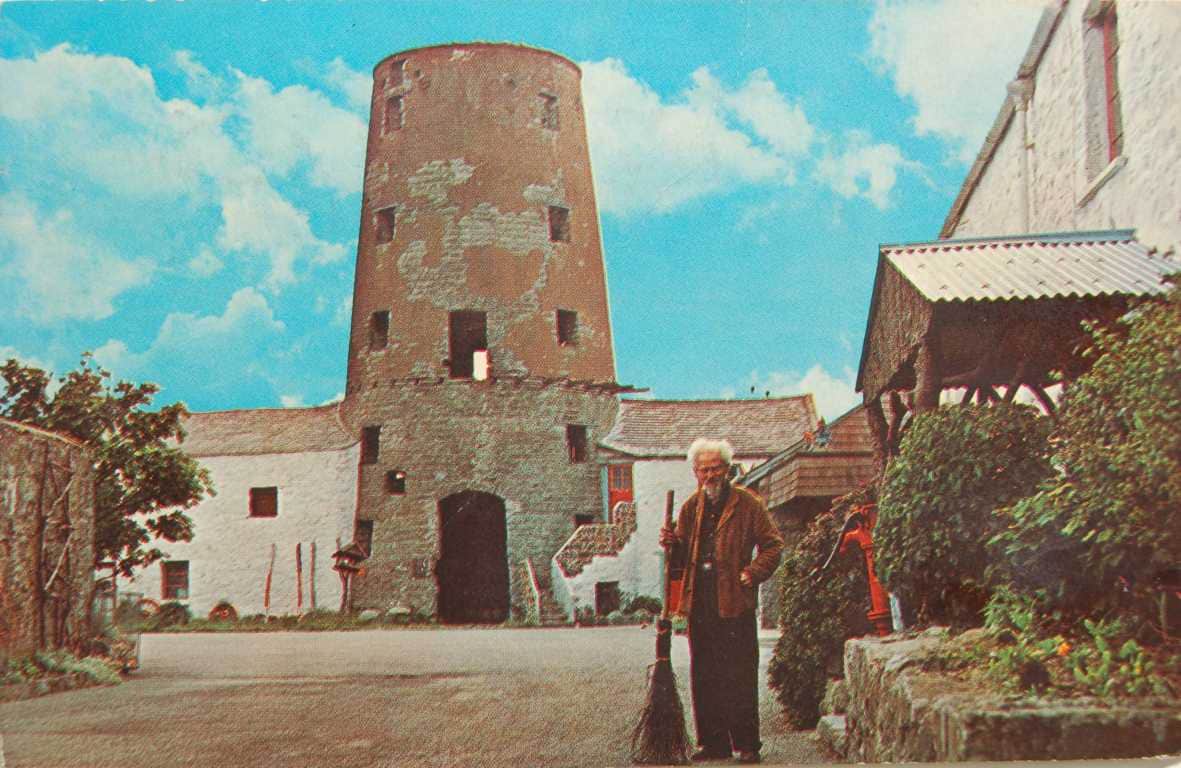
The Witches’ Mill in Castletown became one of the most iconic locations in modern pagan history. Situated near Castle Rushen, this unassuming windmill transformed into a beacon for curious seekers and skeptical tourists alike.
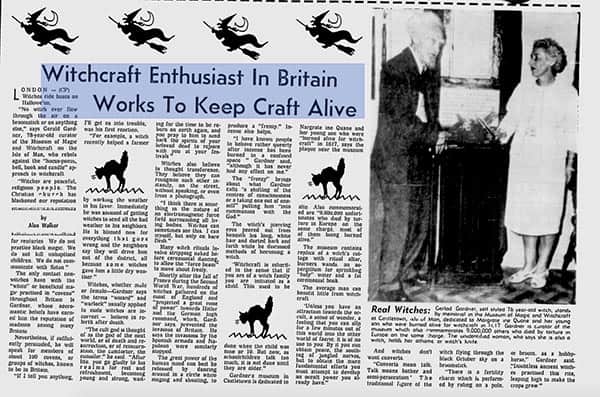
Together with Cecil Williamson, another witchcraft enthusiast, Gardner established what was later known as the Museum of Magic and Witchcraft inside the mill in 1951. But this wasn’t a dusty collection of curiosities. It was a statement. A declaration that witchcraft deserved preservation, documentation, and legitimacy.
Visitors could view ritual tools, historical artifacts, charms, and folklore displays. Gardner himself often acted as guide, eager to educate and challenge misconceptions. He positioned witchcraft not as devil worship but as an ancient, nature-centered faith unfairly persecuted.
The Mill served multiple purposes:
- A museum preserving magical history
- A ritual space for Gardnerian practice
- A publicity platform for Wicca
- A symbol of religious revival
Media coverage followed. Newspapers sensationalized the “witch king” of the Isle of Man. Gardner, ever the showman, understood publicity was oxygen. Every headline—critical or supportive—spread awareness.
Was it controversial? Absolutely.
But without the Witches’ Mill, Wicca may have remained an obscure occult footnote. Instead, it stepped into public consciousness.
Watch this video for a brief history of the Witches Mill.
The Museum of Magic and Witchcraft: Preserving the Craft
The Museum of Magic and Witchcraft was more than Gardner’s passion project—it was a cultural intervention. At a time when witchcraft was still associated with superstition and fear, he reframed it as heritage.
Gardner collected charms, talismans, ritual tools, and folk magic artifacts from across Britain and beyond. His goal was preservation. He believed that the spiritual practices of rural communities were disappearing under the weight of modernization.
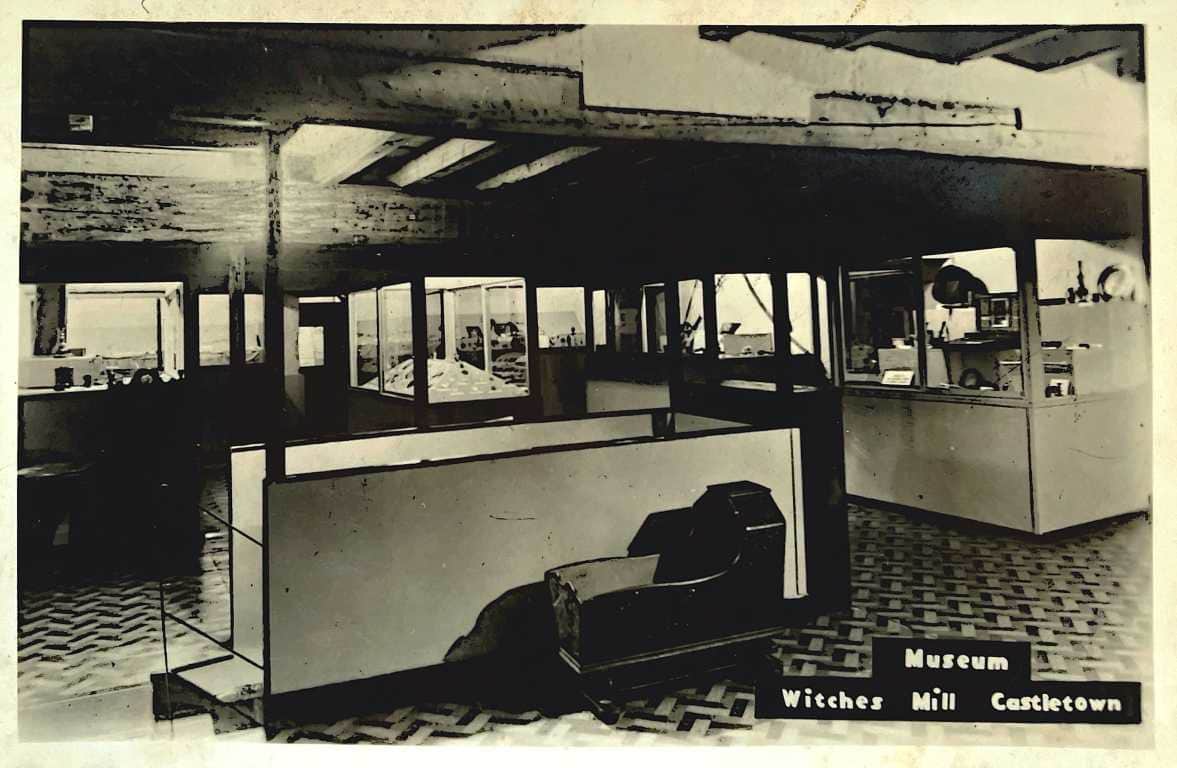
The museum blurred lines between scholarship and spirituality. Was it anthropology? Religion? Performance? In truth, it was all three.
Importantly, the museum also legitimized Wicca in the public eye. By placing witchcraft behind glass displays, Gardner subtly shifted perception. Museums are institutions of knowledge. By situating witchcraft within one, he implied historical continuity and cultural value.
After the split between Gardner and Williamson, a rival museum was eventually established in Boscastle, Cornwall by the latter, where it continues today as the Museum of Witchcraft and Magic. But its origins trace directly back to the Isle of Man windmill.
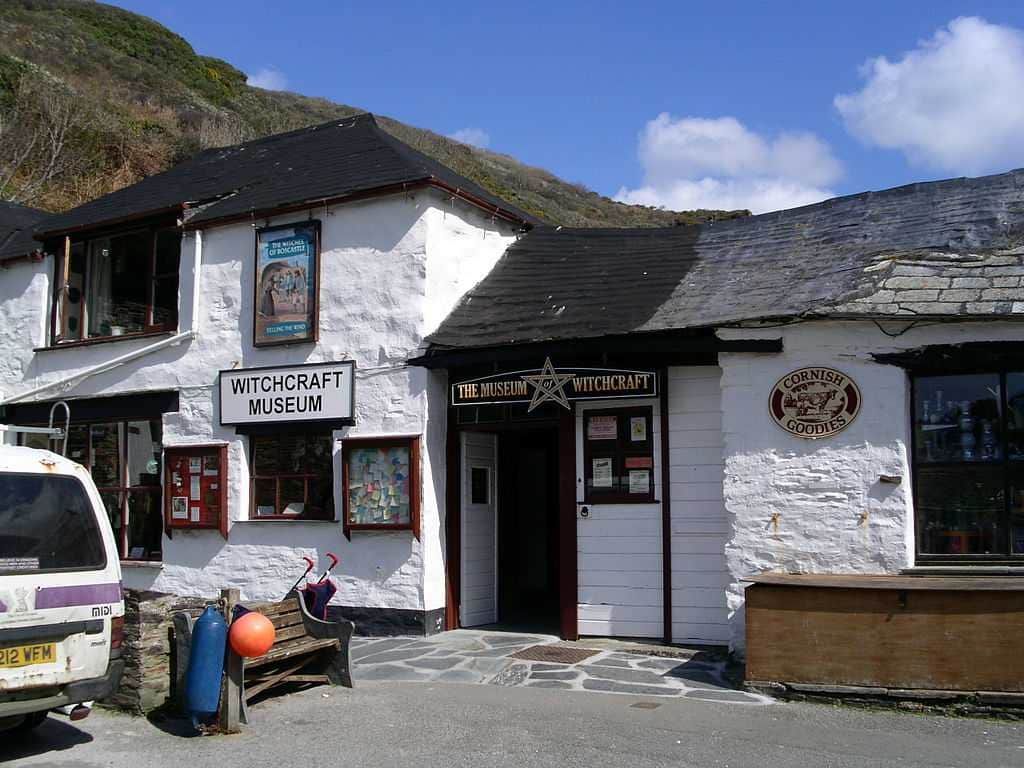
Gardner understood something crucial: if you want a movement to survive, you must archive it.
Gardnerian Wicca: Core Beliefs and Principles
Gardnerian Wicca centers around dual divinity: the Goddess and the Horned God. These deities are not distant creators but immanent forces woven into nature itself. The Goddess embodies fertility, intuition, and lunar power. The God represents wildness, vitality, and the cycle of life and death.
Key principles include:
- Reverence for Nature
- Seasonal Sabbats (Wheel of the Year)
- Lunar Esbats
- Initiatory Coven Structure
- Magical Ethics
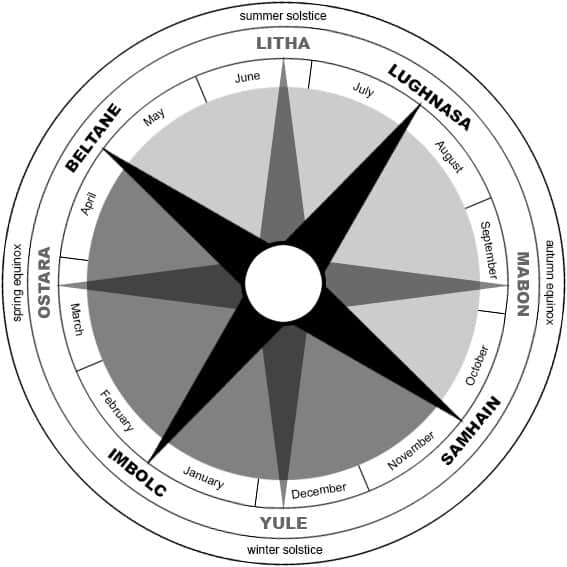
One widely known ethical guideline is the Wiccan Rede: “An it harm none, do what ye will.” Though later popularized beyond Gardner’s original writings, it captures the spirit of personal responsibility.
Gardnerian Wicca operates through a three-degree initiation system. Advancement requires training, experience, and mentorship within a coven. Unlike solitary modern Wicca, Gardnerian practice is traditionally coven-based and oath-bound.
Magic is not theatrical—it is experiential. Ritual circles are cast. Elements are invoked. Energy is raised and directed. These practices blend ceremonial precision with earthy symbolism.
Gardner did not create chaos; he created structure. And that structure gave modern paganism durability.
Ritual Structure and Magical Practice in Gardnerian Wicca
Ritual in Gardnerian Wicca follows a deliberate framework. It begins with casting the circle—a sacred boundary between mundane and magical space. The four elements (Earth, Air, Fire, Water) are invoked, creating a symbolic microcosm of the universe.
Tools play essential roles:
Tool |
Symbolism |
Element |
Athame |
Will and direction |
Fire/Air |
Chalice |
Receptivity and womb |
Water |
Wand |
Energy channeling |
Air |
Pentacle |
Earth and manifestation |
Earth |
Ritual nudity, or working “skyclad,” symbolizes equality and authenticity before the divine. It strips away social hierarchy and material identity.
Energy raising often involves chanting, movement, or symbolic Great Rite representations (ritual union of God and Goddess energies). These acts are deeply symbolic, not sensationalized performances.
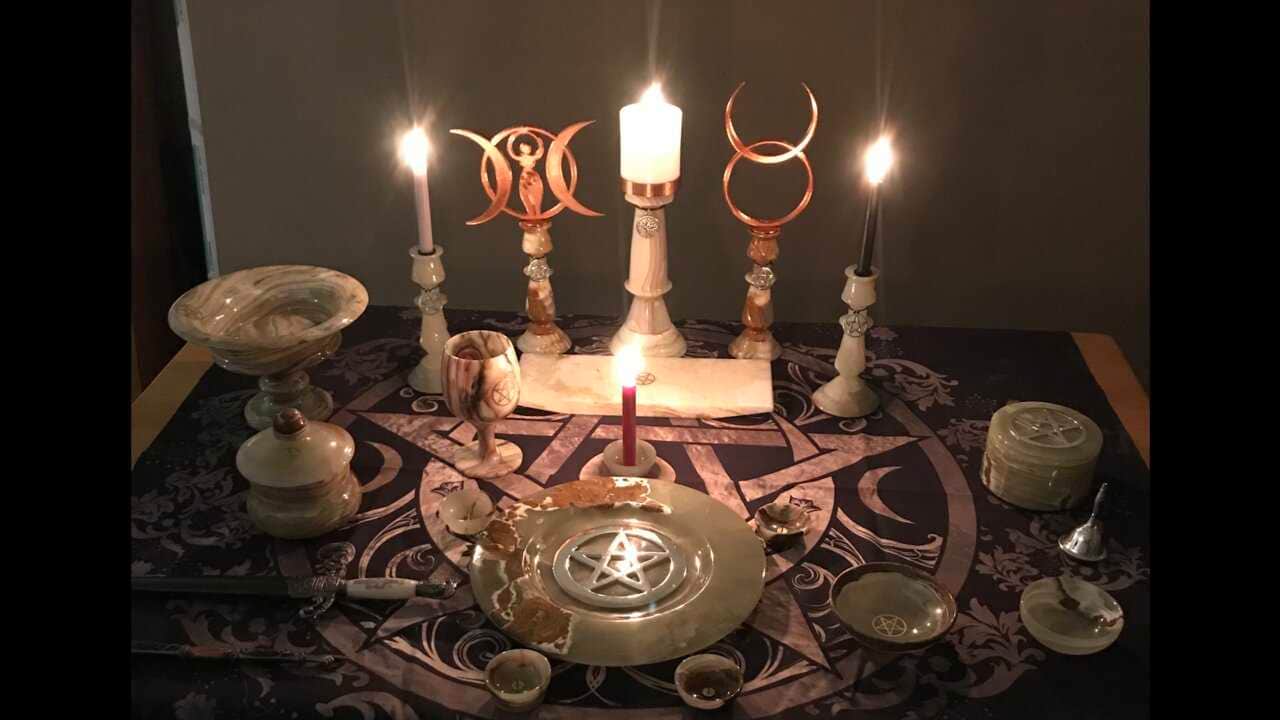
Gardner’s system combined poetic liturgy with ceremonial discipline. It felt ancient, yet adaptable.
And from that windmill on the Isle of Man, these rituals radiated outward into the world.
The Role of the Isle of Man in Shaping Modern Paganism
It’s one thing to write about a religion. It’s another to give it a home. The Isle of Man wasn’t just a backdrop for Gerald Gardner’s work—it was a catalyst. The island provided the physical and symbolic foundation from which modern Wicca could move from whispered coven circles into public consciousness.
Why does geography matter so much in spiritual movements? Because belief systems don’t grow in a vacuum. They need soil. They need atmosphere. They need community tension and cultural friction to sharpen their identity. The Isle of Man, with its Celtic folklore, Norse heritage, and strong oral traditions, created exactly that environment.
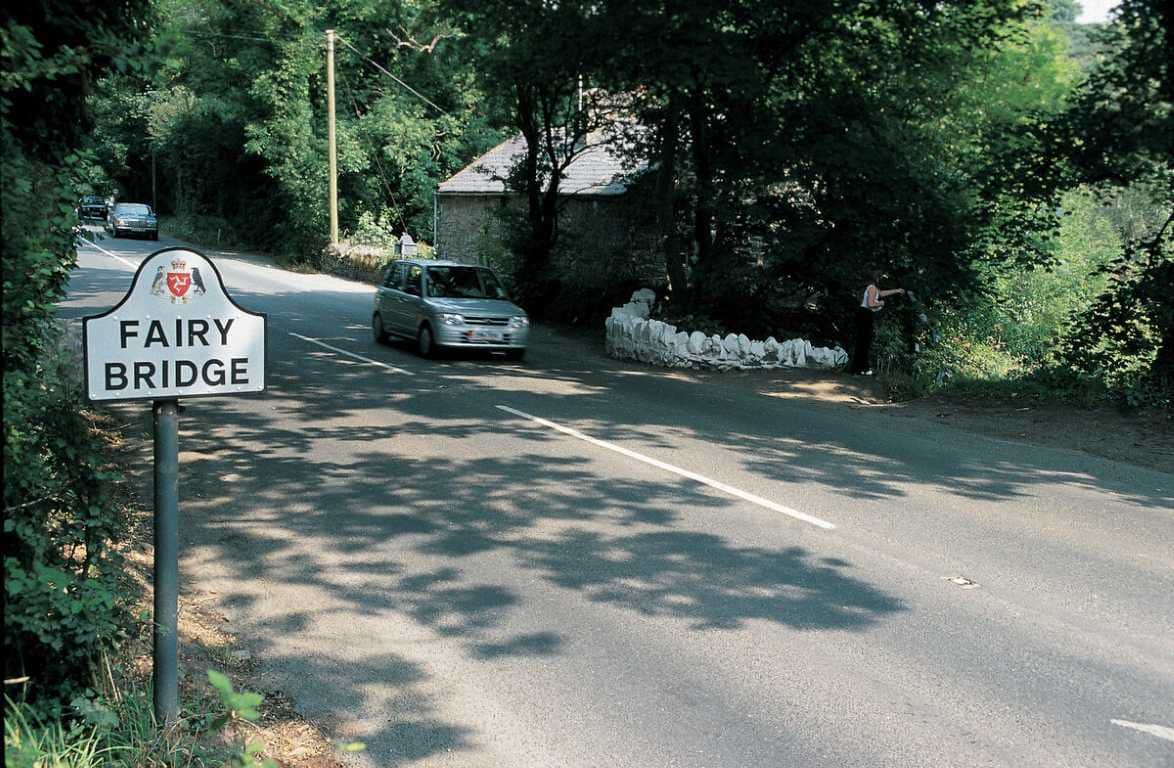
The island already possessed a living relationship with myth. Stories of fairies weren’t bedtime tales; they were part of daily etiquette. Farmers still avoided disturbing fairy mounds. Even today, locals often greet the “Little People” when crossing Fairy Bridge. This cultural memory of the unseen gave Gardner’s message a certain resonance. Witchcraft wasn’t entirely foreign here—it felt like a distant cousin returning home.
Additionally, the Isle of Man’s semi-independent legal structure provided Gardner with room to operate. The Isle of Man is known for its tolerant towards witchcraft in history. After the repeal of the Witchcraft Act, Gardner could openly discuss witchcraft without immediate persecution. That freedom allowed media interviews, public lectures, and museum exhibitions.
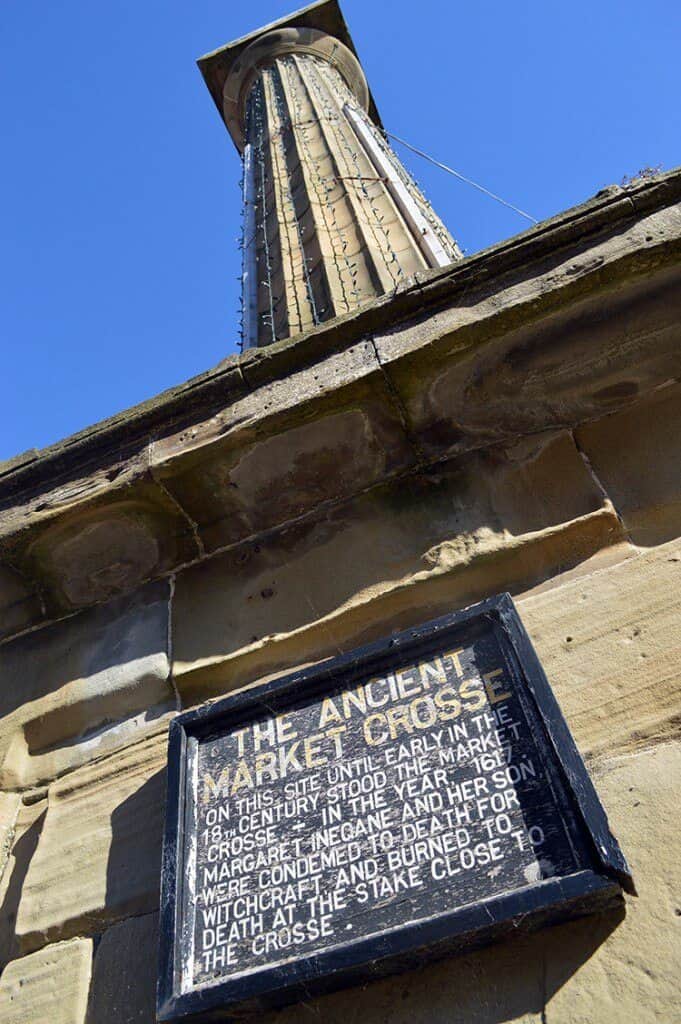
And here’s the crucial part: journalists traveled to the Isle of Man. Curious tourists followed. What might have remained a private occult circle suddenly became a topic of national conversation. The island became synonymous with the rebirth of witchcraft.
In many ways, the Isle of Man functioned like a spiritual lighthouse. From its shores, modern paganism spread across Britain, then Europe, and eventually the world.
Controversies Surrounding Gerald Gardner
No revolutionary figure escapes scrutiny, and Gerald Gardner is no exception. In fact, debate surrounds nearly every aspect of his story. Did the New Forest coven truly exist as he described? How much of Wicca was reconstructed? To what extent did Aleister Crowley influence Gardner’s rituals? These questions continue to stir academic and pagan circles alike.
Critics argue that Gardner pieced together fragments of folklore, Masonic structure, ceremonial magic, and his own imagination to create something new rather than ancient. Some point to Crowley’s writings appearing in early Wiccan texts as evidence of heavy borrowing. Others highlight inconsistencies in Gardner’s claims about lineage and secrecy.
Supporters counter that religious traditions evolve constantly. Even established world religions incorporate earlier mythologies, political influences, and cultural adaptations. Why should Wicca be judged by a harsher standard?
Another point of controversy lies in Gardner’s love of publicity. Some practitioners felt he revealed too much too soon. Witchcraft had survived through secrecy; now it was on newspaper front pages. Was this brave transparency or reckless exposure?
Yet, controversy often fuels momentum. The debates surrounding Gardner forced scholars to examine folklore more seriously. They compelled practitioners to define their beliefs more clearly. And they ensured that Wicca would not be dismissed as mere fantasy.
Perhaps the most honest conclusion is this: Gardner was neither flawless prophet nor cynical fraud. He was a complex, creative, driven man who believed deeply in the revival of nature-based spirituality. And that belief reshaped modern pagan identity.
Gerald Gardner’s Legacy in Contemporary Wicca
Look around today’s pagan landscape and you’ll see Gardner’s fingerprints everywhere. Even traditions that diverged from Gardnerian Wicca—Alexandrian Wicca, eclectic Wicca, Dianic traditions—trace structural roots back to his framework.
The Wheel of the Year? Popularized through Gardnerian influence.
Coven-based initiation? Formalized by Gardner.
Ritual circle casting and elemental quarters? Systematized in his writings.
Of course, Wicca has evolved. Many modern practitioners practice solitary paths, adapt rituals, or reinterpret deities in psychological or archetypal terms. Some remove hierarchical elements. Others reject nudity or oath-bound secrecy.
But evolution does not erase origin.
Gardner’s greatest legacy may be normalization. In the 1950s, identifying as a witch invited ridicule or fear. Today, Wicca is recognized in many countries as a legitimate religion. Wiccans serve in the military, lead public rituals, and publish openly.
There’s also an academic legacy. Universities now study contemporary paganism as a serious field of religious scholarship. Without Gardner’s public push, that academic recognition might never have materialized.
He transformed witchcraft from whispered rumor into a structured religion. And he did so during a time when doing so required genuine courage.
That’s not a small achievement.
The Isle of Man Today: A Pilgrimage Site for Modern Wiccans
Although the original Witches’ Mill museum no longer operates in Castletown, the Isle of Man retains symbolic importance. For many modern Wiccans and pagans, visiting the island feels like tracing spiritual ancestry.
Pilgrims walk the streets where Gardner once gave interviews. They stand near Castle Rushen and imagine the early days of public witchcraft revival. They visit sites rich with Manx folklore and feel the continuity between ancient Celtic myth and modern pagan practice.
The island’s tourism boards don’t necessarily market it as the birthplace of Wicca—but within pagan communities, its reputation is well understood. It holds historical gravity.
There’s something powerful about standing in a place where spiritual history shifted direction. You feel connected—not just to Gardner, but to the thousands who followed his path. Spiritual movements often have geographic anchors: Mecca, Jerusalem, Varanasi. For modern Wicca, the Isle of Man stands quietly among them.
It represents transition—from secrecy to openness, from folklore to organized religion, from marginalization to recognition.
And even if the windmill’s doors are closed, its echo remains.
Historical Evidence vs. Myth: Separating Fact from Fiction
When discussing Gerald Gardner and the Isle of Man, it’s essential to balance reverence with research. Romanticizing the past can obscure truth. At the same time, dismissing lived spiritual experience can flatten meaning.
Historically verified facts include:
- Gardner moved to the Isle of Man in the early 1950s.
- He established the Museum of Magic and Witchcraft at the Witches’ Mill.
- He published foundational texts on modern witchcraft.
- The Witchcraft Act repeal enabled his public work.
Debated elements include:
- The precise origins of the New Forest coven.
- The antiquity of rituals Gardner claimed were ancient.
- The extent of Crowley’s textual influence.
Modern scholarship suggests Wicca is a 20th-century religious revival inspired by older pagan and folkloric elements. But here’s the nuance: religious authenticity is not measured solely by age. A tradition can be modern and still spiritually profound.
Think of it this way: every ancient religion was once new. At some point, someone formalized beliefs, codified rituals, and faced skepticism.
Gardner’s narrative blends documented history with mythic storytelling. And perhaps that blend is fitting for a religion rooted in mystery.
The key is transparency. Understanding where evidence ends and interpretation begins strengthens—not weakens—the tradition.
Why Gerald Gardner and the Isle of Man Still Matter
In a world increasingly disconnected from nature, Gardner’s message feels surprisingly relevant. Climate anxiety, digital overload, urban isolation—these modern conditions mirror the post-war disillusionment Gardner responded to decades ago.
Wicca’s core themes—seasonal cycles, reverence for earth, personal responsibility—offer a counterbalance to hyper-industrial living. Whether one practices ritual magic or not, the philosophy of honoring natural rhythms resonates.
The Isle of Man symbolizes more than historical trivia. It represents a turning point when marginalized spirituality stepped into public dialogue. It marks the moment witchcraft shifted from accusation to affirmation.
Gardner’s work also opened doors for broader pagan acceptance. Without that early visibility, would modern pagan festivals, academic conferences, and interfaith recognition exist? Possibly—but likely later and with greater struggle.
His legacy invites an ongoing question: how do we preserve tradition while adapting to contemporary life?
That question remains alive in every coven, every solitary practitioner, every scholar studying modern paganism.
And it all traces back—to a man, a windmill, and a small island in the Irish Sea.
Conclusion
Gerald Gardner did not simply write about witchcraft—he reshaped its public identity. Through his work on the Isle of Man, he transformed scattered folklore and private ritual into an organized, initiatory religion now known worldwide as Wicca.
The Isle of Man provided the legal freedom, cultural backdrop, and symbolic power necessary for this transformation. The Witches’ Mill and Museum of Magic and Witchcraft became landmarks not just of tourism, but of spiritual revival.
Controversies persist, as they do with any transformative figure. Yet regardless of debate, Gardner’s impact is undeniable. Modern Wicca—whether traditional Gardnerian or eclectic—owes much to his vision.
From the windswept shores of the Isle of Man, a 20th-century spiritual movement was born. And today, it continues to evolve, inspire, and challenge perceptions of what witchcraft truly means.
FAQs
1. Was Gerald Gardner the founder of Wicca?
Gerald Gardner is widely recognized as the founder of modern Wicca, specifically Gardnerian Wicca. While he claimed older roots for the tradition, scholars generally view Wicca as a 20th-century religious revival inspired by earlier pagan practices.
2. Why is the Isle of Man important in Wiccan history?
The Isle of Man served as the base for Gardner’s Museum of Magic and Witchcraft and public advocacy. Its cultural folklore and legal independence made it a pivotal location for the growth of modern Wicca.
3. What is Gardnerian Wicca?
Gardnerian Wicca is an initiatory, coven-based tradition of Wicca founded by Gerald Gardner. It includes structured rituals, a degree system, and reverence for a Goddess and Horned God.
4. Did Gerald Gardner invent witchcraft?
No. Folk magic and pagan traditions existed long before Gardner. However, he systematized and popularized modern Wicca as a structured religion.
5. Can you visit the original Witches’ Mill today?
The original museum at the Witches’ Mill in Castletown is no longer operating as it once did, but its historical significance remains central to modern Wiccan history. The buildings that once housed the museum were carefully preserved and transformed into a residential estate around the turn of the 21st century, with several cottages and apartments now offered for long-term rental. In 2025, the iconic Mill tower was repurposed as a four-bedroom self-catering holiday home, available for the public to book as a unique family getaway. A small collection of original artifacts of Gardner’s museum is displayed inside the tower as a tribute to this interesting chapter in history. Use this link to understand more about the Witches Mill holiday home and its history: www.westres.im