
Douglas, Isle of Man Travel Guide: Top Attractions and Hidden Gems
Introduction: Why Visit Douglas, Isle of Man?
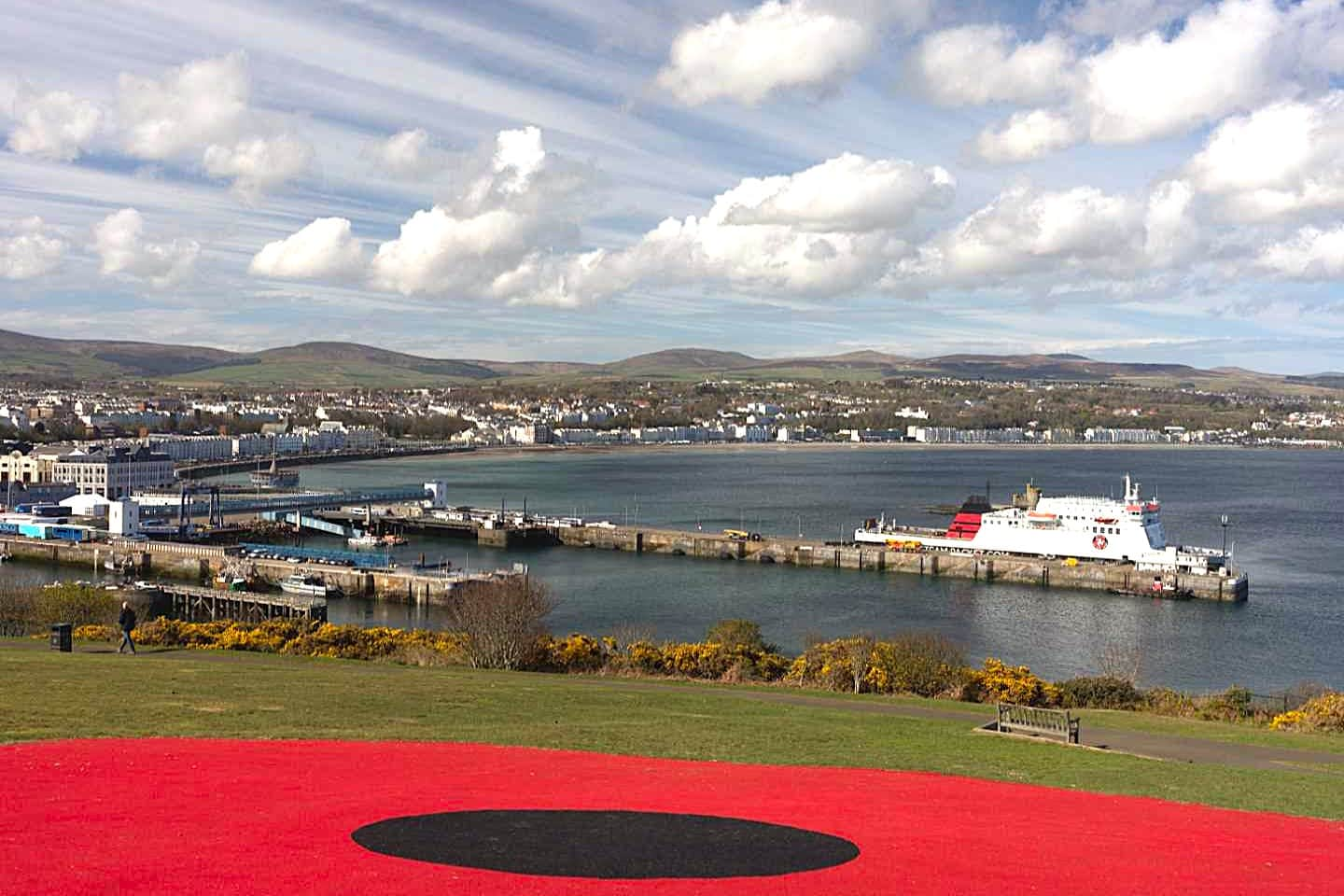
Douglas, the capital of the Isle of Man, is often the first place visitors encounter when arriving by sea or air. Sitting on the edge of a wide, curved bay, the town combines Victorian seaside elegance with rich Manx heritage, historic transport, and easy access to countryside walks. While Douglas is compact and walkable, it offers far more than many first-time visitors expect.
This Douglas, Isle of Man travel guide highlights the top attractions every first-time visitor should experience, as well as a selection of hidden gems that reveal a quieter, more local side of the town. Whether you are here for a short break, a longer holiday, or as a base for exploring the island, Douglas rewards those who take time to explore both its famous landmarks and its lesser-known corners.
Top Attractions in Douglas, Isle of Man
Douglas Promenade: From Derby Castle to North Quay
Douglas Promenade is the heart of the town and one of the most iconic places to visit in Douglas, Isle of Man. Stretching for around two miles along Douglas Bay, the promenade runs from Derby Castle in the north to the North Quay and Sea Terminal in the south, offering constantly changing views and attractions along the way.
Starting at Derby Castle, visitors will find the terminus of the Manx Electric Railway and the nearby beach, which is popular for swimming and paddleboarding in summer. As you walk south, the promenade opens up into a wide expanse of golden sand at low tide, with views across the bay to Onchan Head and Douglas Head.
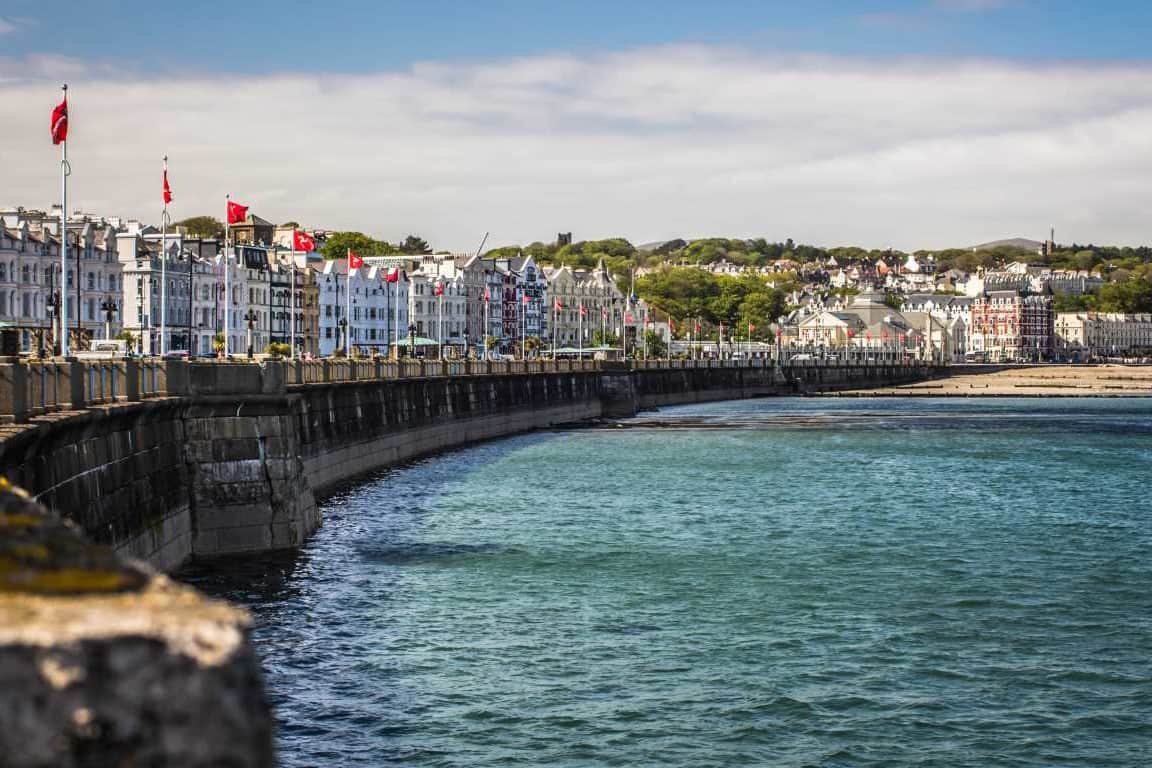
The promenade is lined with grand Victorian and Edwardian hotels, many dating back to the late 19th century when Douglas was a fashionable holiday destination. These historic buildings give the seafront its distinctive character and charm.
Key landmarks along the route include:
- Villa Marina, an impressive entertainment complex hosting concerts, exhibitions, and events
- The War Memorial, a focal point for remembrance and civic ceremonies
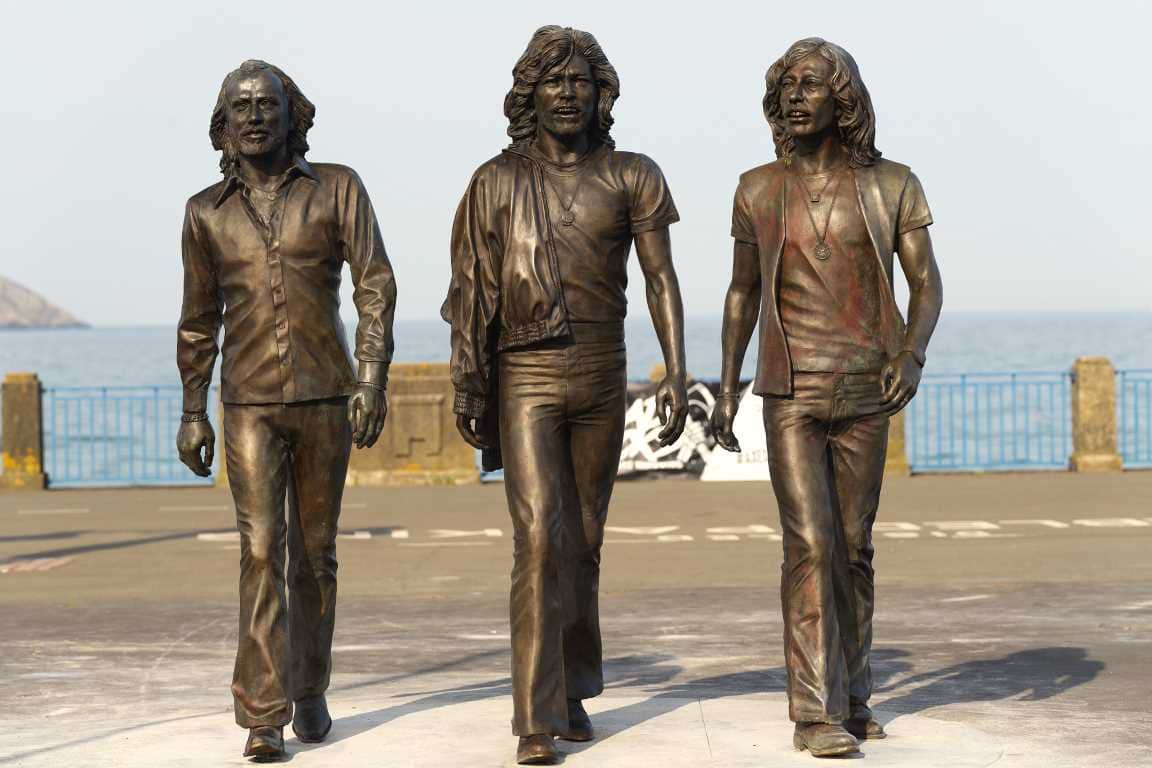
- The Bee Gees statues, celebrating the world-famous band who spent part of their childhood in Douglas
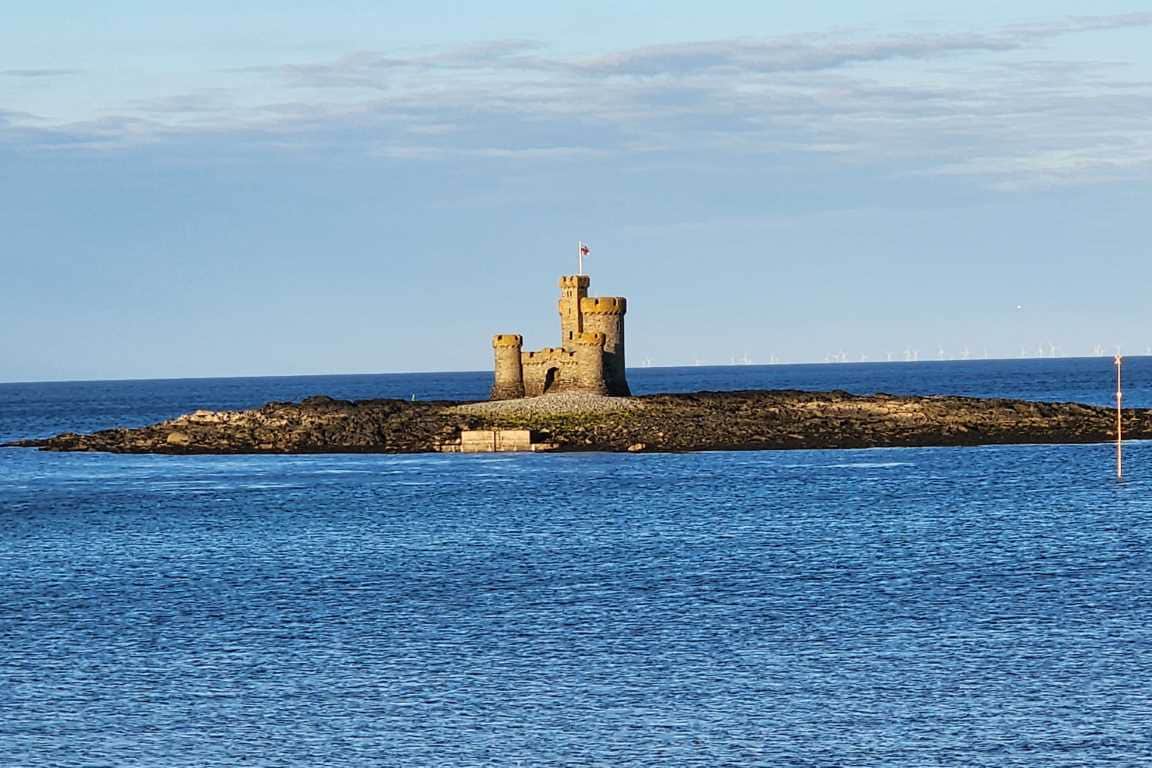
- The Tower of Refuge, a small stone tower built on Conister Rock in Douglas Bay, visible from much of the promenade. It was originally built for the purpose of offering shelter to shipwreck victims until help could arrive
- The Jubilee Clock, commemorating Queen Victoria’s Diamond Jubilee
- The Sea Terminal, where ferries arrive from the UK and Ireland
Walking the full length of the promenade is one of the best ways to understand Douglas, combining sea views, history, architecture, and local life in a single, scenic route.
Manx Electric Railway
The Manx Electric Railway is one of the oldest electric railways in the world still in operation and a must-see attraction in Douglas. Running from Derby Castle to Ramsey via Laxey, this historic railway offers stunning coastal and countryside views.
The Douglas terminus at Derby Castle is also home to the Manx Electric Railway Museum, which displays beautifully restored tramcars and explains the history of the railway. There is also a small souvenir shop where vintage items related with the railway are sold.
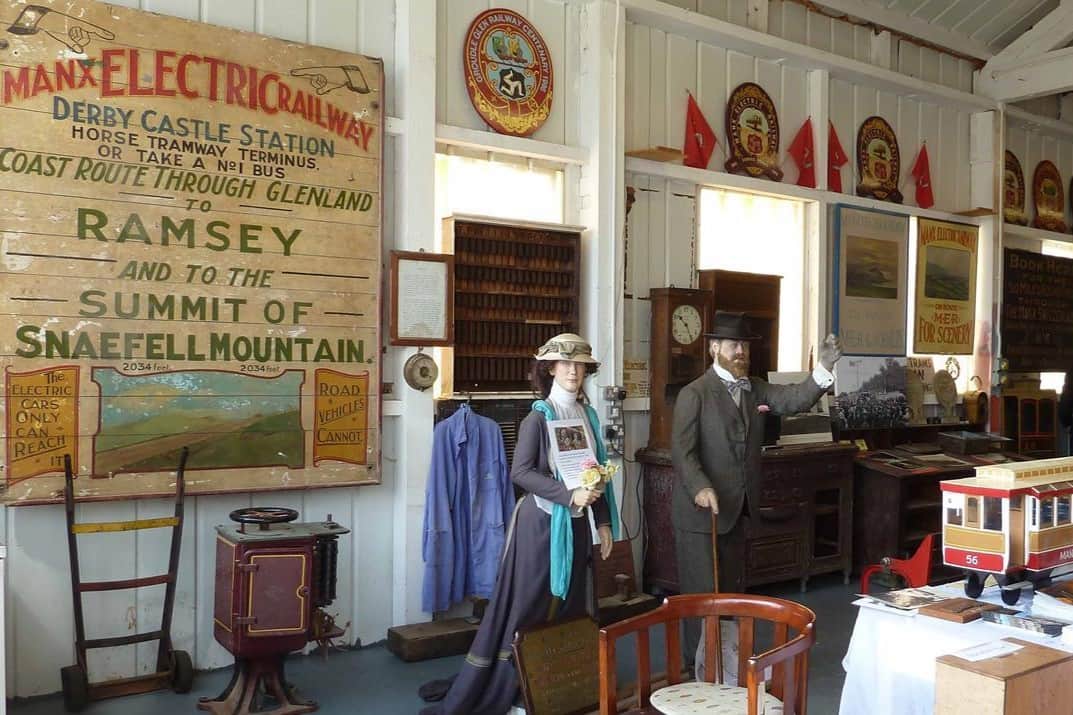
Manx Electric Railway Museum opening times:
- Typically open on Sundays only, usually from spring to autumn when the MER is operating
- Opening hours are generally 10:00am to 4:30pm, though these may vary. Email hireme@gov.im for up-to-date opening hours
Even if you don’t take a full journey, visiting the terminus and museum is well worth it for transport enthusiasts and history lovers.
Douglas Bay Horse Tram
Running parallel to much of the promenade, the Douglas Bay Horse Tram is a unique and much-loved attraction. It is one of the last remaining horse-drawn tramways in the world, operating along the seafront between Derby Castle and the Villa Marina.
A ride on the horse tram is a nostalgic way to experience Douglas Bay, particularly popular with families and first-time visitors. The slow pace allows you to take in the views while enjoying a tradition that dates back to 1876.
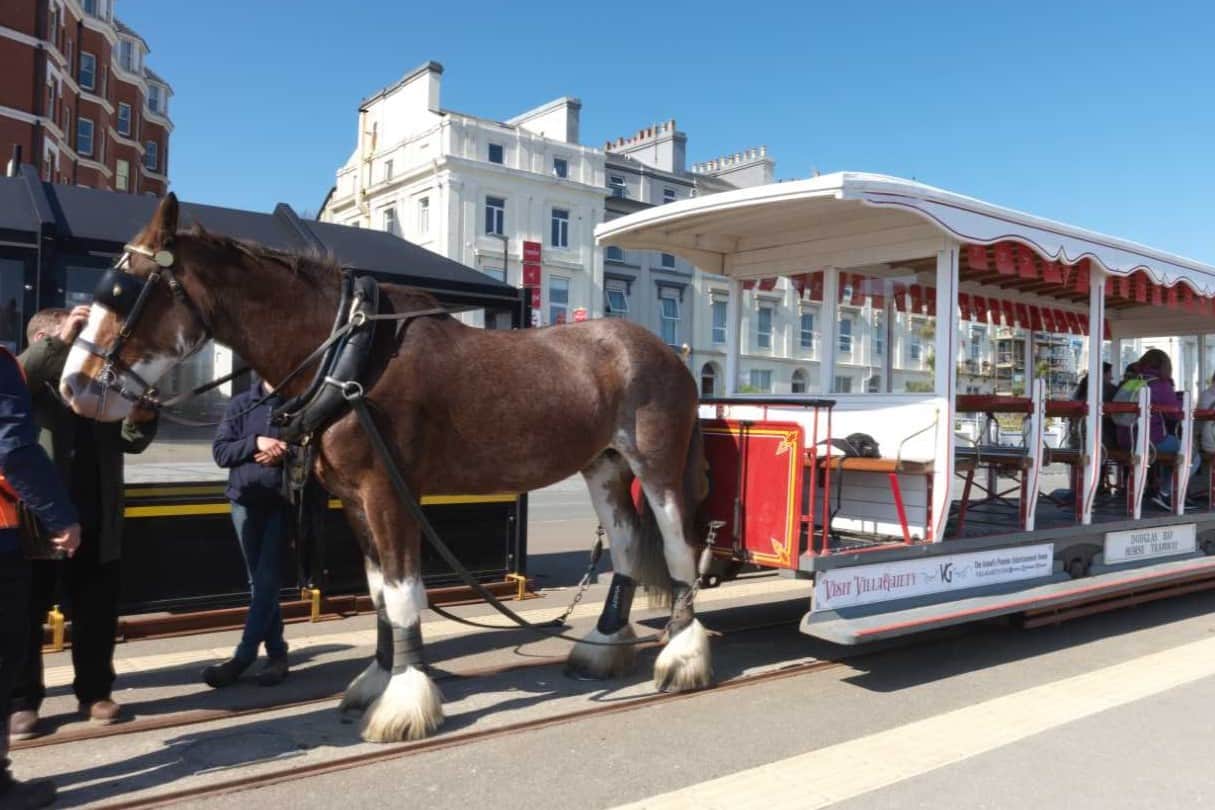
Nearby the Derby Castle terminus, the Douglas Bay Horse Tram Stables at the bottom of Summerhill Road is open to the public daily from 10am to 4pm. A small exhibition and gift shop can also be found inside the stables.
Villa Marina and Gaiety Theatre
Villa Marina and the adjacent Gaiety Theatre form the cultural centre of Douglas. Villa Marina hosts concerts, conferences, exhibitions, and festivals throughout the year, while the Gaiety Theatre is renowned for its ornate interior and historical significance.
The Gaiety Theatre, designed by Frank Matcham, is one of the finest examples of his work anywhere in the British Isles. Guided tours allow visitors to explore behind the scenes, including the original stage machinery.
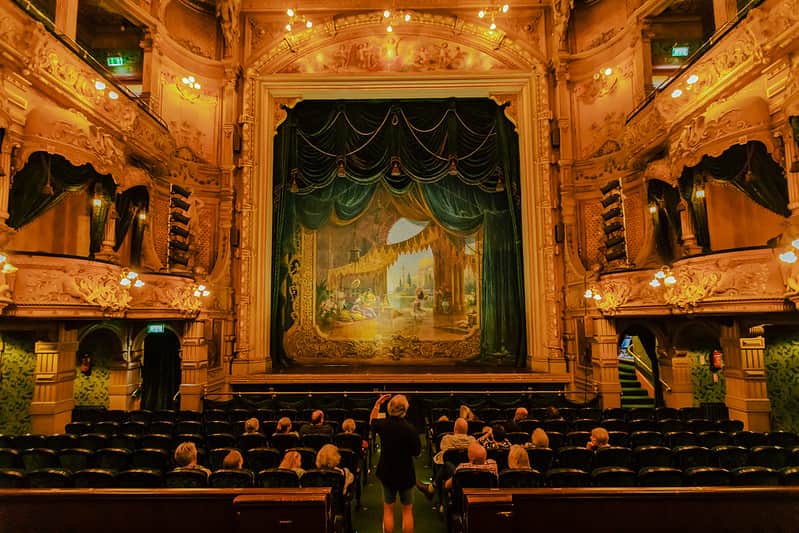
Guided tour opening times:
- Tours are usually available only on Saturdays at 10am from April to October. Private tours can be made by arrangement during the winter months.
- Typical tour duration is 2hrs 15 mins.
- It is recommended to check ahead or book in advance during peak season. For enquiries, visit the VillaGaiety website.
Manx Museum
Located just off the promenade, the Manx Museum is essential for anyone wanting to understand the Isle of Man’s history, culture, and identity. The museum covers everything from prehistoric settlements and Viking heritage to maritime history and the famous TT motorcycle races.
Admission is free, and exhibits are clearly laid out across several floors. Highlights include the Viking gallery, Manx folklore displays, and artefacts connected to the island’s Celtic and Norse past.
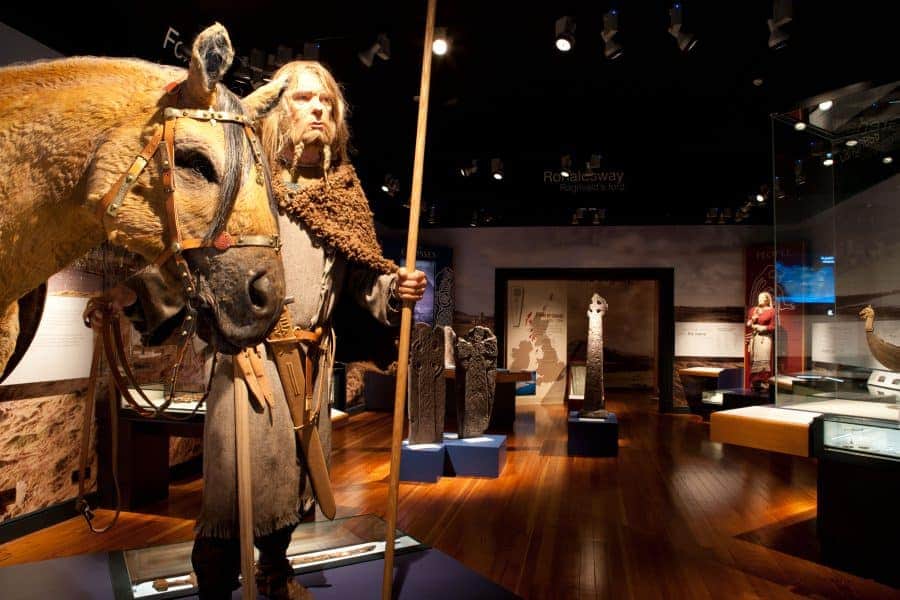
In this blog article, you will find a detailed description of the Manx Museum together with other places of interest for history lovers: Things to do on the Isle of Man: A Heritage Hunter’s Guide
Castle Street and Strand Street
Castle Street and Strand Street form the main shopping, dining, and entertainment district in Douglas. Here you’ll find a mix of high-street brands, independent shops, cafés, pubs, and restaurants.
The area is lively both day and night, making it a good place to stop for lunch, enjoy evening entertainment, or pick up souvenirs. It also provides easy access to Douglas Harbour and the Sea Terminal.
Compared to other towns on the island, Douglas has the largest number of restaurants, cafes, and pubs, offering a wide variety of local and international cuisines. These blog articles have all the details: The Ultimate Guide On Restaurants In Douglas IOM Part 1 and Part 2.
Isle of Man Steam Railway
The Isle of Man Steam Railway begins at Douglas Station and runs south to Port Erin, passing through scenic countryside along the way. Opened in 1874, it is one of the oldest narrow-gauge steam railways still in operation.
The journey itself is an attraction, with traditional carriages and steam locomotives offering a glimpse into Victorian travel. Even visitors with limited time can enjoy exploring the Douglas station and watching the trains depart.
This blog article dives deep into the history and route of this railway: Isle of Man Heritage Railways and Tramway
Hidden Gems in Douglas, Isle of Man
Groudle Glen and the Miniature Railway
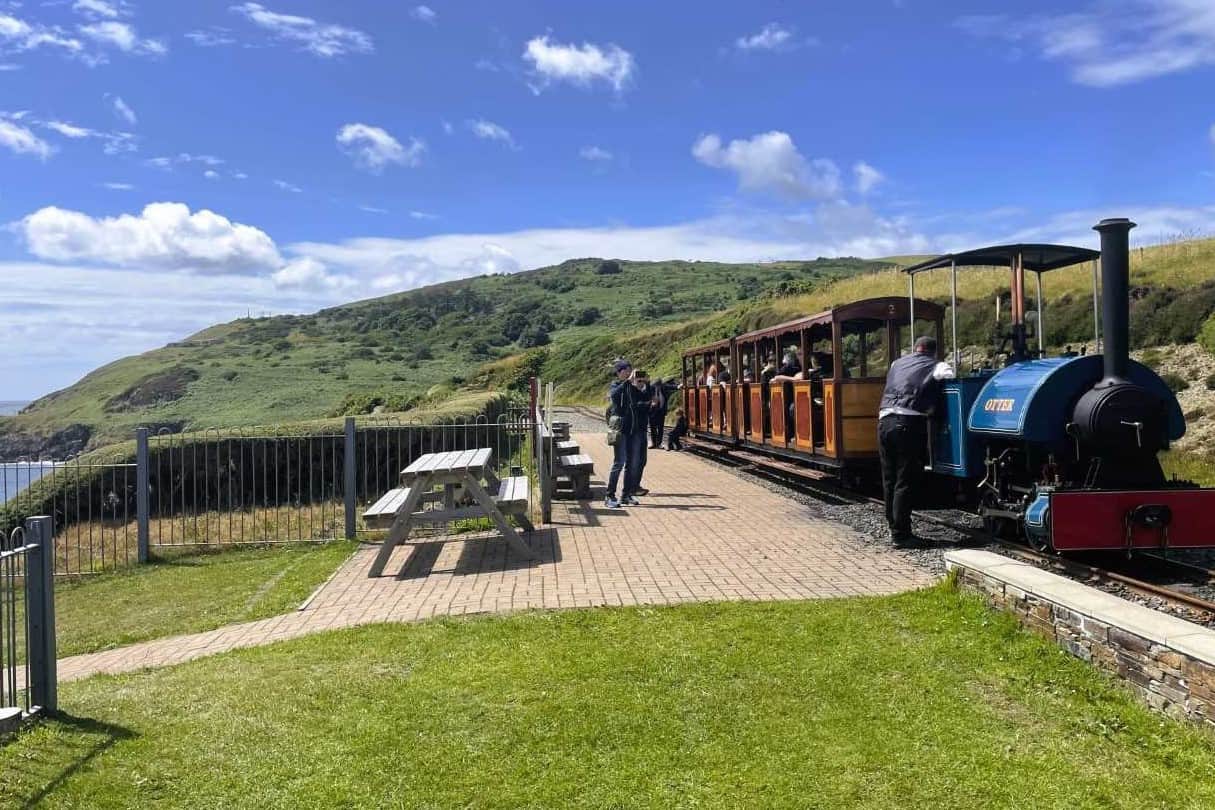
Just outside Douglas, Groudle Glen is a picturesque wooded valley leading down to the coast. It is home to the Groudle Glen Railway, a charming miniature steam railway that has delighted visitors for over a century.
The glen also features walking paths, waterfalls, a small water wheel called “Little Isabella”, and a small beach at the bottom, making it ideal for a half-day trip away from the town centre.
Summer Hill Glen
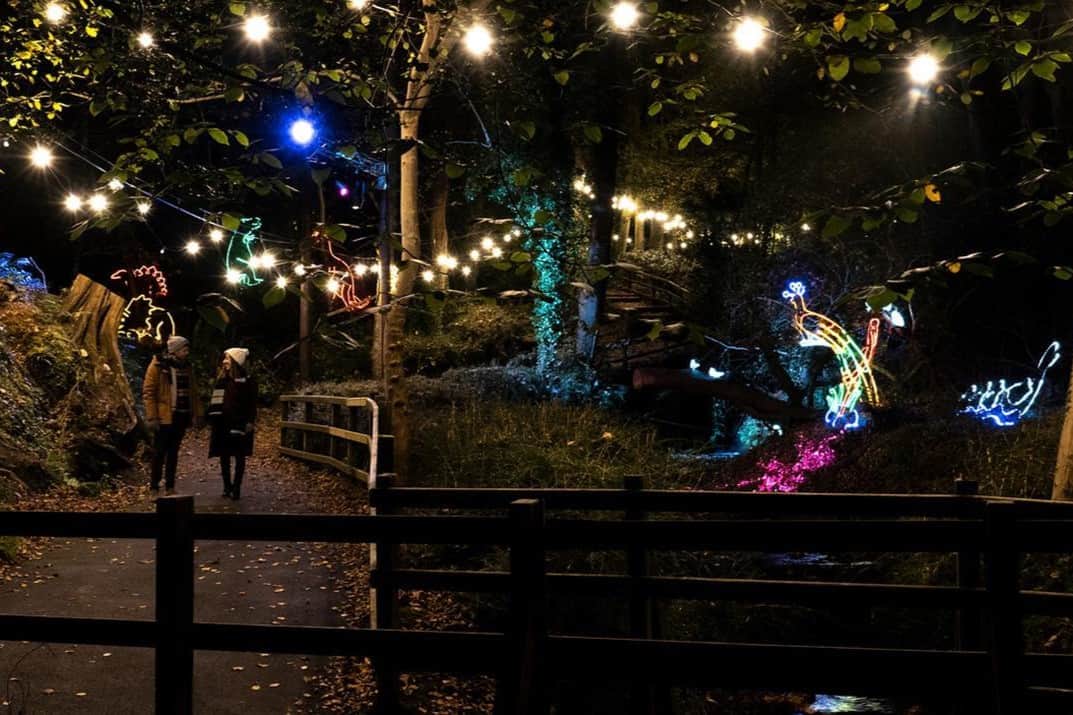
Summer Hill Glen, also known as the Fairy Glen, is a quiet, lesser-known green space close to Douglas town centre. With shaded paths and gentle slopes, it is perfect for a peaceful walk or picnic away from the busy promenade. This glen is recently upgraded with a new dramatic lighting display, which is available almost every evening following a seasonal schedule. For details, please visit the Douglas Council website.
TT Grandstand and Nobles Park
For motorsport fans, the TT Grandstand is an iconic location. Even outside race periods, it’s worth visiting to understand the scale of the Isle of Man TT races. Nearby Nobles Park offers open green space, sports facilities, and walking paths.
Tynwald Tour
The Tynwald Tour provides insight into the Isle of Man’s unique political system and parliamentary history. Tynwald is the oldest continuous parliament in the world, and guided tours explain how it operates and why it is central to Manx identity. The tours are held every Monday at 2pm and every Friday at 10am (except Public Holidays).
St. George’s Church and Surrounding Streets
Often overlooked, St. George’s Church and the surrounding streets showcase elegant architecture and a quieter side of Douglas. The area is ideal for leisurely exploration and photography.
Douglas Head and Marine Drive
Douglas Head rises above the southern end of the bay and offers some of the best panoramic views over Douglas. The walk toward Marine Drive follows dramatic coastal cliffs and is especially rewarding on a clear day.
Camera Obscura
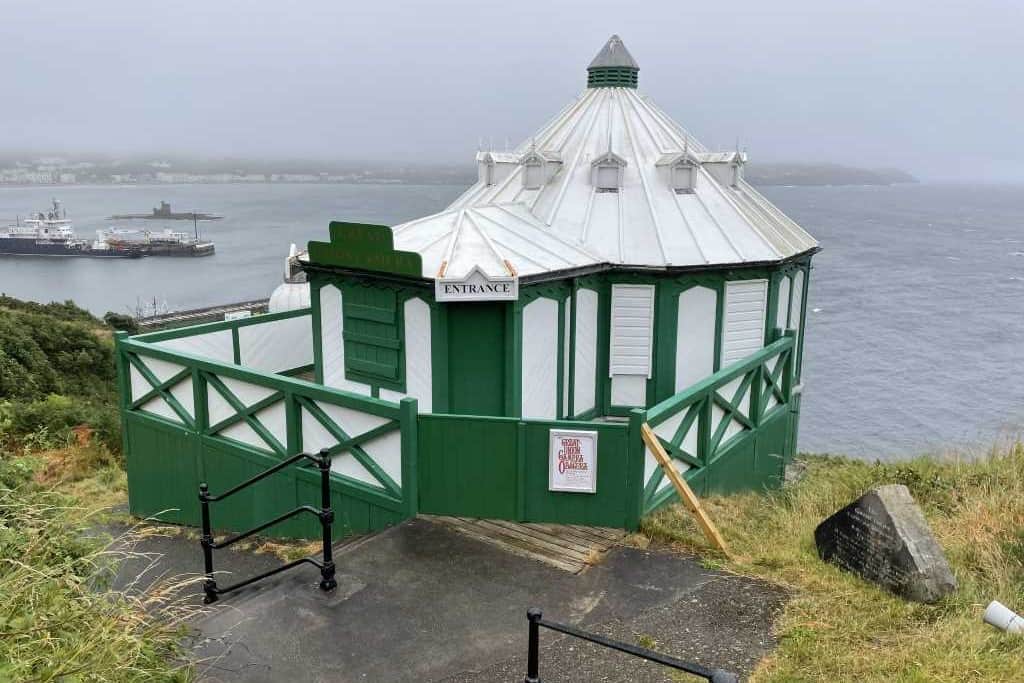
Douglas is home to a remarkable Great Union Camera Obscura, notable for having 11 mirrors, whereas most camera obscuras around the world have only one. This makes it a unique and fascinating attraction, offering moving panoramic views of the surrounding area.
Nunnery Walk
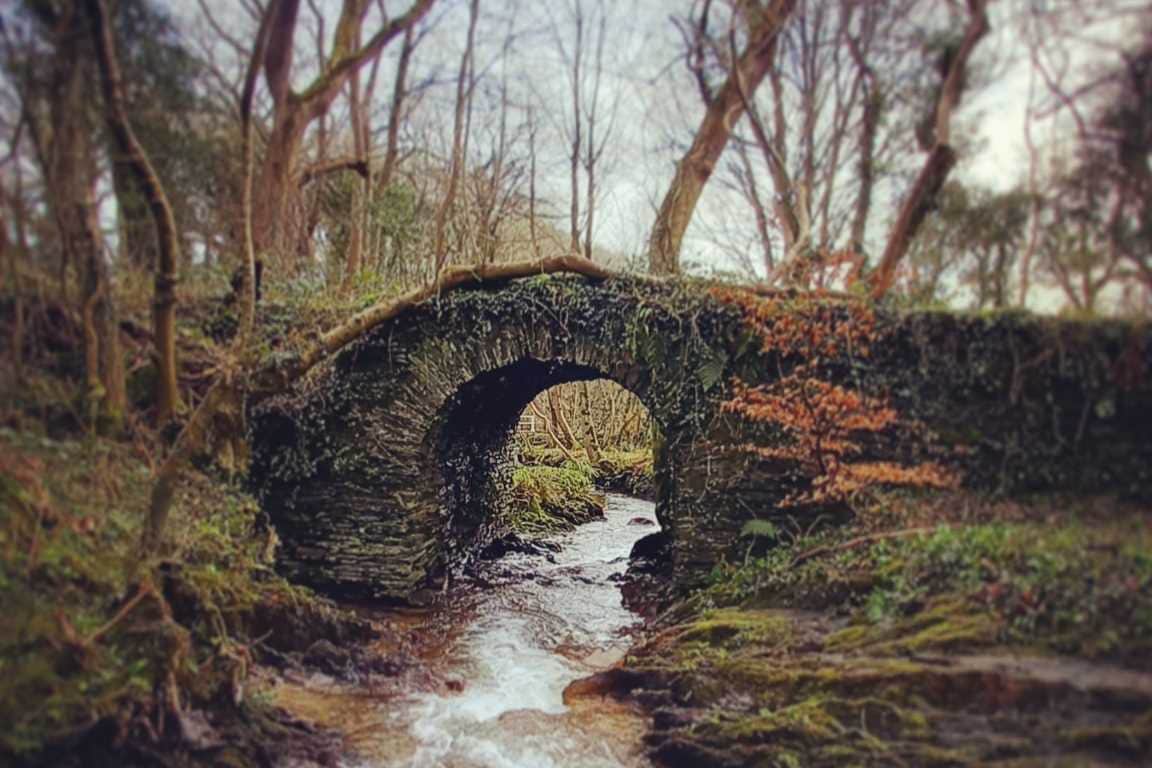
Nunnery Walk is a peaceful riverside path where visitors can experience a moment of magic as the steam train passes overhead on a nearby bridge. It’s a favourite spot for photographers and railway enthusiasts.
Original Fairy Bridge
Located between Oakhill and Kewaigue Hill, the Original Fairy Bridge is steeped in Manx folklore. Locals traditionally greet the fairies when crossing the bridge, a custom many visitors enjoy adopting.
Home of Rest for Old Horses
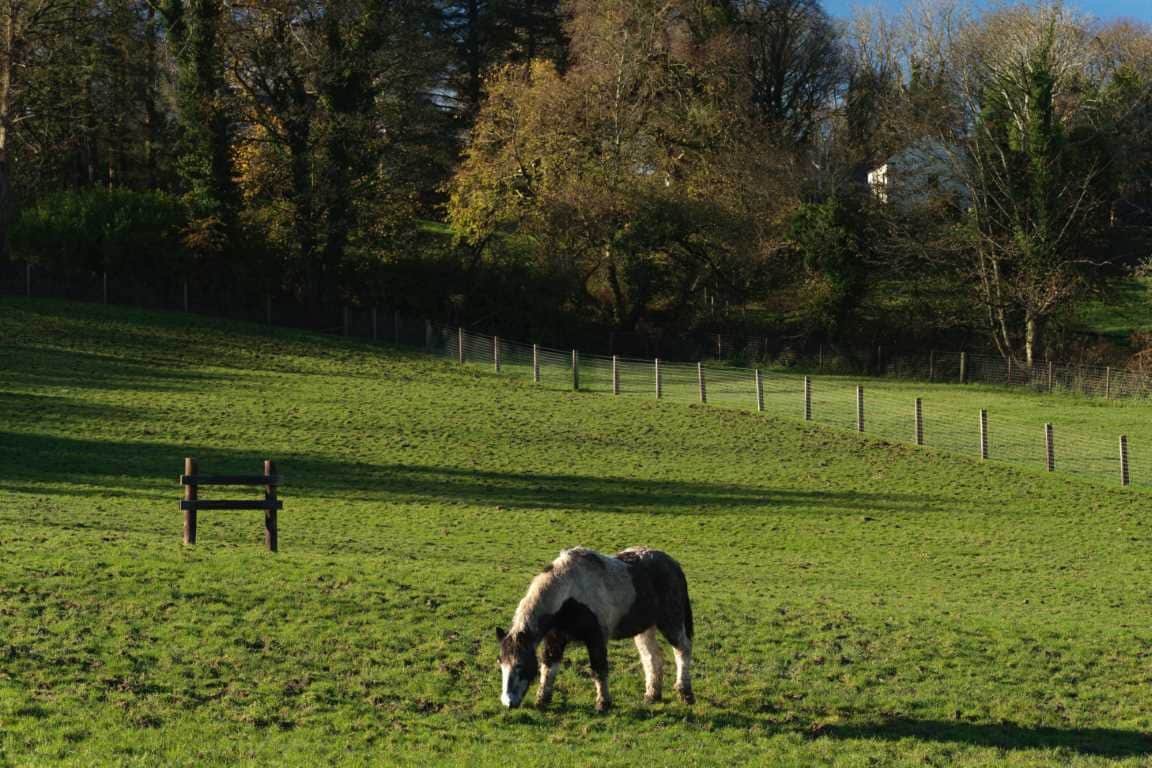
The Home of Rest for Old Horses is a unique sanctuary providing retirement care for working horses, including those once used on the Douglas Bay Horse Tram. Visitors can see the horses up close and learn about their care.
Frequently Asked Questions (FAQ)
Is Douglas a good base for exploring the Isle of Man?
Yes, Douglas is an excellent base due to its transport links, accommodation options, and central location.
How many days do you need in Douglas?
Two to three days is ideal to explore Douglas itself, with additional days recommended for exploring the rest of the island.
Is Douglas suitable for families?
Absolutely. Attractions like the horse tram, beaches, railways, and parks make Douglas very family-friendly.
Can you explore Douglas without a car?
Yes. Douglas is walkable, and public transport options like trams, buses, and trains are excellent.
What is the best time to visit Douglas, Isle of Man?
Late spring to early autumn offers the best weather and full operation of seasonal attractions, though Douglas is enjoyable year-round.
Final Thoughts
Douglas, Isle of Man, offers far more than a first glance suggests. From its historic promenade and iconic transport systems to its peaceful glens and hidden viewpoints, the town combines culture, heritage, and natural beauty in a compact and welcoming setting. Whether you’re discovering Douglas for the first time or uncovering its hidden gems, it is a destination that invites exploration and rewards curiosity.
Use our unique, free Visit Isle of Man AI Trip Planner to plan for your next visit in Douglas and the Isle of Man.