
When the October half term break arrives, families across Britain and beyond often look for something memorable to do. For many, the lure of autumn festivals and spooky fun makes Halloween the obvious choice. But on the Isle of Man, you can experience something far older, more authentic, and infinitely more enchanting: Hop tu Naa.
Celebrated on 31 October, Hop tu Naa is widely regarded as the oldest continuous tradition on the island. Long before Halloween became a global phenomenon, Manx families were lighting lanterns, singing songs about witches, and marking the turning of the Celtic year.
A Brief History of Hop tu Naa
Hop tu Naa is not just the Manx equivalent of Halloween – it is much older and distinct in its origins. The festival can be traced back to Samhain, the Celtic New Year, a time when the harvest was over, animals were brought in from the fields, and the darker half of the year began.
The name “Hop tu Naa” comes from the Manx Gaelic language, thought to be derived from a traditional song sung by children during the celebrations. At its heart, the festival is about transition – the dying of one year and the birth of the next.
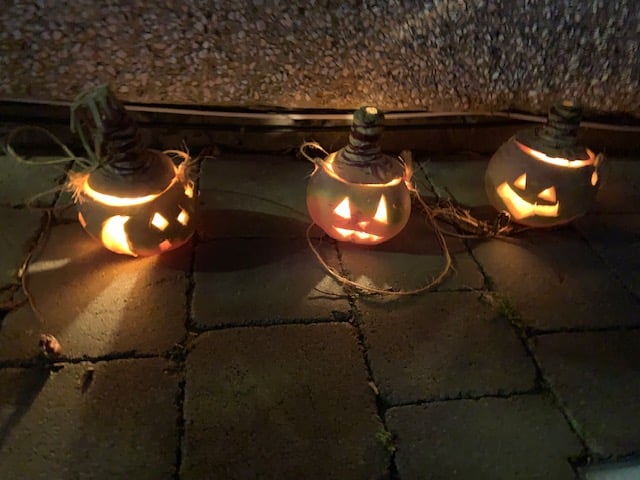
One of the most striking features of Hop tu Naa is the turnip lantern. Long before pumpkins made their way to the island, Manx children carved grotesque faces into swedes, placing a candle inside to ward off wandering spirits. These lanterns, often far scarier than their pumpkin cousins, remain a defining image of the celebration today.
Stories and Legends of Hop tu Naa
Every tradition thrives on stories, and Hop tu Naa has its fair share. The most famous tale is that of Jinny the Witch, also known as Joney Lowey of Braddan. According to folklore, she was a woman accused of witchcraft in the 18th century. Unlike many parts of Europe, where witches were executed, the Isle of Man was relatively lenient: Jinny was given light sentences for her supposed crimes.
Her legend lives on in the Hop tu Naa song, still sung by children as they go from door to door with their lanterns.
Other stories linked to the season include ghostly encounters in Manx glens and tales of faeries who were thought to roam freely at this liminal time of year.
Hop tu Naa vs. Halloween
At first glance, Hop tu Naa might look a lot like Halloween. Both involve costumes, lanterns, and a little bit of frightful fun. But spend a little time on the island during the half term break, and you’ll soon see the differences.
Lanterns: while Halloween is dominated by pumpkins, Hop tu Naa keeps to its roots with turnip lanterns. Carving a swede is no easy feat – it’s tough, messy, and incredibly satisfying once the candle flickers to life.
Songs vs. Trick-or-Treating: instead of shouting “trick or treat”, Manx children traditionally sing the Hop tu Naa song as they carry their lanterns from house to house.
Costumes: Manx children often dress as Jinny the Witch or in outfits inspired by island folklore, such as characters linked to Laa Luanys, an older midsummer festival with echoes in Hop tu Naa.
Food: Hop tu Naa has its own culinary traditions, most famously Manx bonnag, a rich fruit bread similar to a scone loaf, enjoyed with butter or jam as part of the celebrations.
Together, these differences make Hop tu Naa feel less commercial, more cultural, and wonderfully authentic.
Celebrating Hop tu Naa Today – Family-friendly Events
For visitors arriving during the October half term break, there are countless opportunities to take part in Hop tu Naa festivities.
The Hop tu Naa Festival at Cregneash
One of the best places to immerse yourself in tradition is Cregneash, the National Folk Museum. Here, Hop tu Naa is celebrated with storytelling, traditional music, and workshops where children can carve their own turnip lanterns.
“Not Too Scary” Fun at Groudle Glen Railway
For families with little ones, the Groudle Glen Railway offers a charming event: the “Not Too Scary Hop tu Naa”. Ride the vintage trains through the glen, enjoy gentle decorations and entertainment, and let the children experience the excitement without being overwhelmed by frights.
Other Island Activities
- Ghost walks in Douglas and Castletown bring historic streets to life with eerie tales.
- Lantern parades give everyone a chance to show off their carved creations.
- Museums and cultural centres often host craft workshops or seasonal storytelling sessions.
Where to Stay – The Witches Mill
If you really want to immerse yourself in the Hop tu Naa spirit, there’s no better place to stay than the Witches Mill in Castletown. This historic building was once home to Gerald Gardner’s Museum of Magic and Witchcraft, established in the mid-20th century. Gardner, often described as the father of modern Wicca, was inspired by the Isle of Man’s relative tolerance of witchcraft.
Unlike other parts of Britain and Europe, where alleged witches were harshly punished, the Isle of Man’s courts often handed down light sentences – as in the case of Jinny the Witch. This atmosphere of acceptance allowed Gardner to open his museum, displaying artefacts of witchcraft, folklore, and ritual that attracted visitors from around the world.
Today, the Witches Mill has been modernised into a comfortable holiday home for families, offering all the convenience of a modern stay while preserving the mystical charm of its history. Its location in the south makes it a perfect base for exploring Cregneash, Castletown, and the wider array of Hop tu Naa activities.
Conclusion
Hop tu Naa is more than just a Manx Halloween – it is the oldest continuous festival on the Isle of Man, a tradition that weaves together Celtic roots, folklore, food, and community spirit. From the chilling song of Jinny the Witch to the warm taste of bonnag, from carving turnip lanterns to riding a “not too scary” train, every aspect of the festival offers something memorable.
For families planning an October half term break, the Isle of Man provides the perfect combination of fun and authenticity. This October, step off the beaten path and discover the festival that has enchanted the Isle of Man for centuries.